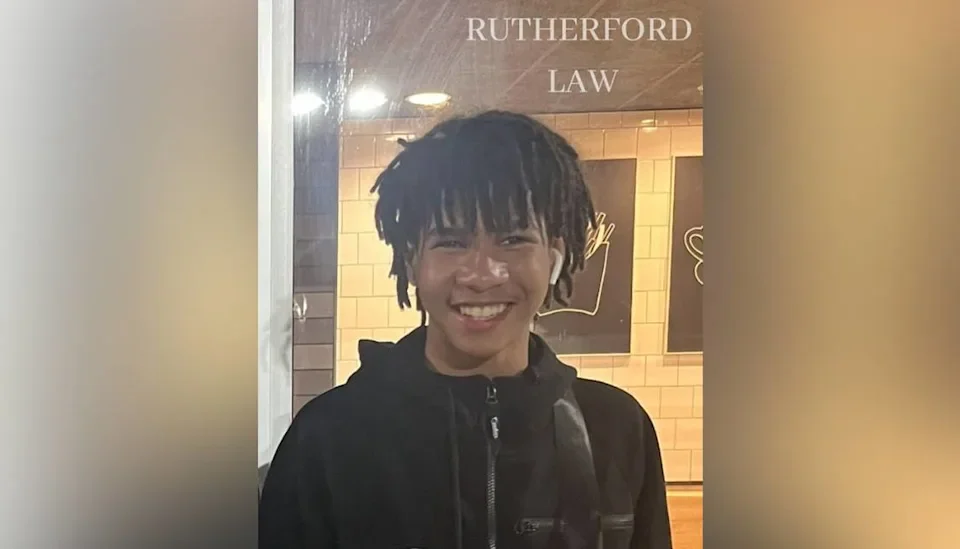

A Child’s Life Ended Over Water He Never Took
Cyrus Carmack-Belton walked into a Shell gas station on a Sunday evening in Columbia, South Carolina. The 14-year-old picked up four bottles of water, then put them back on the shelf. Surveillance cameras captured every moment. However, store owner Rick Chow, his wife Alice, and their son Andy believed otherwise. As a result, they accused the teenager of theft.
What happened next would spark outrage across the nation. Rick Chow and Andy chased Cyrus more than 130 yards down a residential street. The pursuit ended when Chow fired a single bullet into the boy’s back. Meanwhile, Cyrus collapsed on Springtree Drive. Despite chest compressions from a bystander, the eighth-grader died from his wounds.
Nearly three years later, on June 1, 2026, a jury found Rick Chow not guilty of murder. The courtroom erupted in sobs. In addition, Cyrus’s family broke down as the verdict was read. Meanwhile, Chow sat frozen before slowly bowing his head into his hands.
Full Timeline: What Happened to Cyrus Carmack-Belton?
May 28, 2023: Memorial Day Weekend
8:00 PM: Cyrus Carmack-Belton enters the Xpress Mart Shell gas station at 7441 Parklane Road in Columbia. The Chow family owns the store. According to surveillance footage later presented at trial, Cyrus picks up four bottles of water and places them back on the shelf.
8:05 PM: Alice and Andy Chow confront Cyrus inside the store. They accuse him of shoplifting. Although Cyrus denies taking anything, he exits the building.
8:07 PM: Rick Chow and Andy Chow follow Cyrus outside. Instead of reviewing security footage or calling police, they pursue the teenager on foot.
8:10 PM: The chase extends more than 130 yards from the store property onto Springtree Drive. During the pursuit, Cyrus runs out of one shoe and drops two cell phones. According to the defense, Andy Chow claims Cyrus turned and pointed a 9mm handgun at him. In response, Andy allegedly raised his hands and shouted to his father.
8:11 PM: Rick Chow fires once. The bullet enters Cyrus’s lower right back, travels upward through his right lung, and lodges in his heart’s right ventricle.
8:12 PM: Cyrus collapses on the street. Before paramedics arrive, a bystander begins chest compressions.
8:30 PM: Emergency responders transport Cyrus to a local hospital, where doctors pronounce him dead.
May 29, 2023
11:00 AM: Police arrest Rick Chow and charge him with murder. The Richland County Sheriff’s Department reveals that Chow had previously fired his weapon at customers in 2015 and 2018.
2:00 PM: Community members begin gathering outside the Shell station. Empty water bottles are arranged on the ground to spell “Cyrus.”
June 2023: Investigation and Public Response
Prosecutors announce they will pursue murder charges. The Richland County Coroner’s office completes an autopsy. Dr. Amy Durso, a forensic pathologist with over 4,000 autopsies to her credit, determines the wound trajectory is consistent with someone running away.
Community vigils and protests continue throughout the summer. Meanwhile, the case draws national attention as civil rights advocates question why a child’s life was taken over suspected theft of water.
November 2025: Pre-Trial Rulings
Circuit Court Judge Heath Taylor denies Rick Chow immunity under South Carolina’s Stand Your Ground law. Additionally, the judge denies bond, ruling Chow poses a danger to the community and is a flight risk. As a result, Chow remains in custody.
May 26, 2026: Trial Begins
Opening statements commence at the Richland County Judicial Center. Defense attorney Jack Swerling questions why a 14-year-old was carrying a loaded semiautomatic pistol. Meanwhile, 5th Circuit Solicitor Byron Gipson places a single water bottle before the jury, stating Chow believed “a human is not more than that.”
May 27-30, 2026: Testimony
Multiple witnesses testify they saw nothing in Cyrus’s hands as he ran. In addition, Dr. Durso explains the bullet’s trajectory proves Cyrus could not have been facing the Chows when shot. However, Andy Chow takes the stand, insisting Cyrus pointed a gun directly at him.
June 1, 2026: Closing Arguments and Verdict
12:15 PM: After closing arguments, the jury begins deliberations.
3:00 PM: Jurors request clarification on the legal definition of malice aforethought.
4:30 PM: Judge Taylor receives a second note from the jury, after which he instructs them to continue deliberating.
9:00 PM: After more than eight hours, the jury returns a not guilty verdict. As a result, Cyrus’s family sobs audibly in the courtroom.
June 2, 2026: Aftermath
Attorney and South Carolina State Representative Todd Rutherford stands with Cyrus’s father outside the courthouse. “This makes us feel as if our children don’t matter and they do,” Rutherford says. He announces plans for a civil lawsuit.
Defense attorney Swerling tells reporters his heart goes out to the family but adds, “A 14-year-old kid should not be roaming the streets of Columbia or South Carolina with a semiautomatic pistol loaded and ready to fire.”
Who Was Cyrus Carmack-Belton?
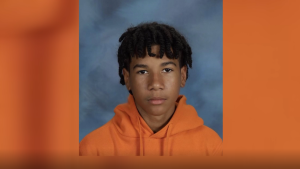
Cyrus Carmack-Belton was a 14-year-old student at Summit Parkway Middle School in Columbia, South Carolina. Standing 5’8″ and weighing 114 pounds, he was described by teachers and classmates as intelligent, funny, and well-liked. According to family and friends, Cyrus dreamed of owning his own tattoo shop someday.
His death at 14 meant he never reached high school. In addition, prosecutors noted at trial that if Cyrus had lived, he would have been a rising senior in 2026.
Who Is Rick Chow?
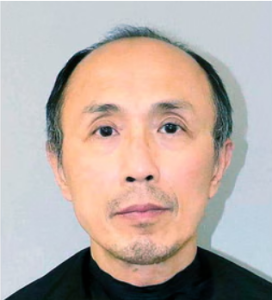
Rick Chow (also known as Chikei Rick Chow) was 58 years old at the time of the shooting. He operated the Xpress Mart Shell gas station on Parklane Road alongside his wife Alice and adult son Andy. For years, the family had owned the business in what law enforcement described as a high-crime area.
Before shooting Cyrus, Chow had fired his weapon at customers on two previous occasions:
- 2015: After a woman attempted to leave following an alleged shoplifting incident, Chow fired approximately six shots at her vehicle. Despite this, no charges were filed.
- 2018: During a confrontation over a $6.49 can of oven cleaner, Chow shot a man in the leg. Although the man had struck Chow first, prosecutors noted the severity of response. Again, no charges resulted.
Over five years, the Richland County Sheriff’s Department had responded to hundreds of calls at the Parklane Road location. Officers documented incidents including assaults, robberies, vandalism, and theft. As a result, this pattern of escalation created an environment where violence had become routine.
What Did the Evidence Show?
Surveillance Footage
The most crucial evidence came from the store’s own security cameras. Prosecutors argued the footage showed Cyrus picking up four bottles of water and returning all of them to the shelf. However, defense attorneys disputed the interpretation, although multiple witnesses corroborated that no theft occurred.
During trial, prosecutors emphasized that reviewing this footage would have taken approximately 17 minutes. Instead, the Chows chose to chase Cyrus immediately.
Forensic Evidence
Dr. Amy Durso’s autopsy report provided critical testimony. The bullet entered Cyrus’s lower right back at an upward angle. After passing through his right lung, it struck the right ventricle of his heart. According to Dr. Durso, this trajectory was “consistent with someone who was running away.”
The pathologist testified that Cyrus was not shot from the front. Furthermore, she explained that such a heart wound does not cause instant death. In fact, Cyrus likely survived for one to two minutes on adrenaline before succumbing.
Witness Testimony
Multiple independent witnesses who were in the area during the shooting testified at trial. None reported seeing Cyrus with a weapon in his hands as he ran. In addition, none saw him point a gun or threaten anyone.
Only members of the Chow family claimed Cyrus brandished the firearm. As Solicitor Byron Gipson told jurors, “Nobody testified that happened that doesn’t have the last name Chow.”
The Gun
Prosecutors acknowledged that Cyrus did have a 9mm semiautomatic pistol with him that evening. The weapon had a bullet in the chamber. However, they argued the gun fell to the ground during the chase. Despite this, no evidence suggested Cyrus fired it or threatened anyone with it.
Defense attorneys countered that Andy Chow’s testimony about being threatened was credible. Therefore, they argued Rick Chow acted to defend his son under South Carolina’s defense of others doctrine.
Why Was Rick Chow Found Not Guilty of Murder?
South Carolina’s Unique Murder Law
Understanding the verdict requires understanding South Carolina’s unusual legal structure. Unlike most states, South Carolina does not divide murder into degrees. In other words, there is no first-degree or second-degree murder in state law.
Murder in South Carolina requires proving malice aforethought. This means the prosecution must demonstrate intentional, willful deadly intent. If jurors find even slight doubt about this single element, they must acquit.
The Missing Charge: Voluntary Manslaughter
After the verdict, legal experts and journalists immediately questioned why voluntary manslaughter was not offered as a lesser included offense. Voluntary manslaughter applies to unlawful killings committed in the “heat of passion” without malice. In South Carolina, the charge carries up to 30 years in prison.
Because the legal standard is lower, juries in manslaughter cases don’t need to find cold, deliberate malice. Instead, they only need to conclude the defendant acted wrongfully without justification. However, in this case, jurors faced an all-or-nothing choice: guilty of murder or complete acquittal.
As of June 2026, the 5th Circuit Solicitor’s Office had not publicly explained why manslaughter was excluded.
Defense Strategy: Self-Defense and Defense of Others
Defense attorneys Jack Swerling and Shaun Kent built their case on two legal theories. First, they argued Rick Chow acted to defend his son Andy from imminent deadly force. Under South Carolina law, a person may use deadly force to protect another if they reasonably believe that person faces imminent death or great bodily harm.
Second, they invoked the law of withdrawal. This doctrine allows someone who initiates a confrontation to claim self-defense if they withdraw and the other person becomes the aggressor. Therefore, defense attorneys argued that when Andy raised his hands and backed away after Cyrus allegedly pointed a gun, Andy withdrew from the altercation.
Jury Instructions on Malice
During deliberations, jurors sent a note requesting clarification on malice. In response, Judge Heath Taylor explained that malice involves hatred, ill will, or hostility toward another person. Furthermore, it requires intentionally committing a wrongful act without just cause or excuse with the intent to injure.
The jury deliberated for more than eight hours. Their questions suggest they struggled with whether Chow acted with malice or genuine fear for his son’s life.
What Does the Outcome Mean for Cyrus’s Family?
On June 2, 2026, attorney and State Representative Todd Rutherford stood beside Cyrus’s father outside the courthouse. “This makes us feel as if our children don’t matter and they do,” Rutherford said. “This makes us feel like Cyrus’s life didn’t matter and it did.”
Rutherford announced the family’s intention to file a civil lawsuit. While criminal cases require proof beyond a reasonable doubt, civil cases use a lower standard: preponderance of the evidence. Therefore, the family may still pursue financial damages and public accountability through civil court.
After the verdict, Cyrus’s family did not speak to media immediately. However, their grief was visible as sobs and cries filled the courtroom gallery.
The Psychology Behind the Shooting: Why Did This Happen?
Threat Perception and Racial Bias
Social psychology research consistently shows that people perceive Black children as older and more threatening than their white peers. Studies have documented that adults estimate Black boys as much as 4.5 years older than their actual age. Additionally, implicit bias training reveals that people are more likely to perceive everyday objects as weapons when held by Black individuals.
Cyrus Carmack-Belton was 14 years old, 5’8″, and weighed 114 pounds. Despite his slight build, the Chows pursued him more than a football field’s length. Their actions suggest they perceived him as an imminent threat rather than a frightened child.
Furthermore, Cyrus ran out of his shoe and dropped two cell phones during the chase. These behaviors indicate panic and fear, not aggression. Yet the pursuit continued.
Escalation of Commitment
Rick Chow’s history reveals a pattern of escalating responses to suspected theft. In 2015, he fired six shots at a fleeing vehicle. In 2018, he shot a shoplifter in the leg over a can of oven cleaner. By 2023, the escalation reached its tragic conclusion.
Psychologically, this pattern reflects what behavioral scientists call “escalation of commitment.” Each time Chow used violence without legal consequence, the behavior was reinforced. As a result, his perception of acceptable force gradually shifted. What began as warning shots evolved into shooting people.
Operating a convenience store in a high-crime area undoubtedly created chronic stress. However, stress does not justify lethal violence. According to the Richland County Sheriff’s Department, officers had responded to hundreds of calls at that location. Therefore, this suggests systemic problems beyond any single incident.
The Weapon as Justification
Defense attorneys emphasized that Cyrus carried a loaded 9mm pistol. They asked why a 14-year-old would have such a weapon. This framing invited jurors to view Cyrus as dangerous rather than vulnerable.
Yet prosecutor Dale Scott shared his own childhood memory of taking his grandfather’s revolver without permission. His point was clear: children make poor decisions. However, carrying a gun does not transform a 14-year-old into an adult criminal deserving of death.
Multiple witnesses testified they never saw the gun in Cyrus’s hands. In addition, the forensic evidence showed he was shot in the back while running away. These facts suggest Cyrus was not threatening anyone when he died.
Property Over Human Life
During closing arguments, Solicitor Byron Gipson placed a single bottle of water on the table. “At the end of the day,” he told jurors, Chow “believed that a human is not more than that.”
This statement captures the psychological core of the tragedy. Somewhere in Rick Chow’s calculus, four bottles of water that were never even stolen justified chasing and shooting a child.
Research on moral decision-making shows that people often prioritize protecting property when they feel their livelihood is threatened. However, most people do not resort to lethal force. Therefore, Chow’s repeated pattern suggests an extreme devaluation of human life in perceived defense of his business.
The Role of Fear
Defense attorneys argued Rick Chow acted out of fear for his son’s life. Fear is a powerful motivator. When people believe their loved ones face danger, rational decision-making deteriorates.
Yet fear alone does not explain this case. For example, the Chows had 17 minutes to review surveillance footage. In addition, they could have called police. Instead, they chased a child more than 130 yards and shot him in the back.
True defensive fear typically involves attempts to escape or create distance. However, chasing someone for over a football field’s length contradicts defensive behavior. Therefore, this suggests anger and perceived authority over property, rather than genuine fear, drove the actions.
FAQ: Common Questions About the Cyrus Carmack-Belton Case
Did Cyrus Carmack-Belton Actually Steal the Water?
No. Surveillance footage presented at trial showed Cyrus picking up four bottles of water and putting them back on the shelf. Throughout the trial, prosecutors emphasized this point. As a result, the entire confrontation was based on a false accusation.
Why Didn’t Rick Chow Get Convicted?
South Carolina law requires prosecutors to prove malice aforethought for murder convictions. After more than eight hours of deliberation, the jury found reasonable doubt about whether Rick Chow acted with malice or genuine fear for his son’s safety. Additionally, voluntary manslaughter was not offered as a lesser charge, forcing an all-or-nothing verdict.
What Happened to the Gun Cyrus Had?
Prosecutors acknowledged that Cyrus Carmack-Belton had a loaded 9mm semiautomatic pistol. However, they argued it fell to the ground during the chase. Despite this, no independent witness saw Cyrus holding, pointing, or threatening anyone with the weapon. In contrast, only the Chow family members testified that Cyrus pointed the gun at Andy.
Will There Be a Civil Lawsuit?
Yes. Immediately after the verdict, attorney Todd Rutherford announced that Cyrus’s family will pursue a civil lawsuit. Civil cases require a lower burden of proof than criminal cases. Therefore, the family may still obtain financial damages and public accountability even after the not guilty verdict.
The National Conversation This Case Sparked
Cyrus Carmack-Belton’s death became a flashpoint in ongoing discussions about race, justice, and whose life America values. Outside the Shell station, community members gathered, creating memorials with empty water bottles. As a result, the image of bottles spelling “Cyrus” on the pavement became a powerful symbol.
Critics drew comparisons to other shootings where Black teenagers were killed after being perceived as threats. They noted that Cyrus’s childhood dreams, his quick wit, and his big laugh were ignored in favor of focusing on the gun he carried.
Defense attorney Jack Swerling’s post-verdict comment that “a 14-year-old kid should not be roaming the streets” was met with fierce criticism. In response, many pointed out that this statement deflected responsibility from the adult who chose to chase and shoot a child.
The conversation extended to South Carolina’s legal structure. Legal analysts argued that the state should adopt degrees of murder like most other states. As a result, this would give juries more options beyond complete acquittal or life-altering murder convictions.
Watch the Full Story
For a deeper exploration of this heartbreaking case, including psychological analysis and exclusive insights, watch the complete investigation on the Crime and Psyche YouTube channel. The video includes detailed coverage of the trial, expert commentary, and a thoughtful examination of the systemic issues this case reveals.
Sources
- NBC News: Store owner found not guilty of murder in 2023 killing of Black teen in South Carolina
- ABC7 Chicago: South Carolina jury finds store owner not guilty of murder in killing of Black teen
- WACH Fox: Jury finds Rick Chow not guilty of murder
- The State: Rick Chow found not guilty in Cyrus Carmack-Belton shooting
- The State: Jury finds Rick Chow not guilty in murder of 14-year-old
Seventeen Minutes That Changed Everything
Reviewing the surveillance footage would have taken 17 minutes. In that time, they could have confirmed that Cyrus Carmack-Belton never stole anything. Instead, Rick Chow and his son chose to chase a 14-year-old boy down a residential street.
That decision ended a child’s life.
A jury heard the evidence and found reasonable doubt. That is how our legal system operates. However, reasonable doubt in a courtroom and justice in its fullest sense do not always align.
Cyrus wanted to own a tattoo shop. In addition, he had a quick wit and a big laugh. Teachers at Summit Parkway Middle School remembered him as intelligent and well-liked. If he were alive today, prosecutors noted, he would be preparing for his senior year of high school.
Instead, his life is commemorated in empty water bottles arranged on pavement outside a gas station.
This case forces us to confront uncomfortable questions about whose lives we protect, whose fear we validate, and whose childhood we recognize. Cyrus Carmack-Belton was a child. Although he made a poor choice carrying a gun that night, that choice did not forfeit his right to live.
The surveillance cameras captured everything. They showed a teenager picking up water and putting it back. In addition, they showed him leaving the store. What happened next was not captured on video, but the physical evidence tells its own story. A bullet entered a child’s back and tore through his heart.
Four bottles of water that were never stolen. One child who will never grow up. These are the facts that remain when the legal arguments fade.
Cyrus Carmack-Belton mattered. Beyond what can be measured in a courtroom verdict, his life had value. That truth endures, regardless of what twelve jurors decided after eight hours of deliberation.
May his memory push us toward a world where children’s mistakes do not cost them their lives, where fear does not justify fatal violence, and where justice means more than legal technicalities.
Rest in peace, Cyrus. Your story will not be forgotten.