
Missing US Student Found Dead Near Kyoto Japan During Family Trip
A Graduation Celebration Ends in Heartbreak
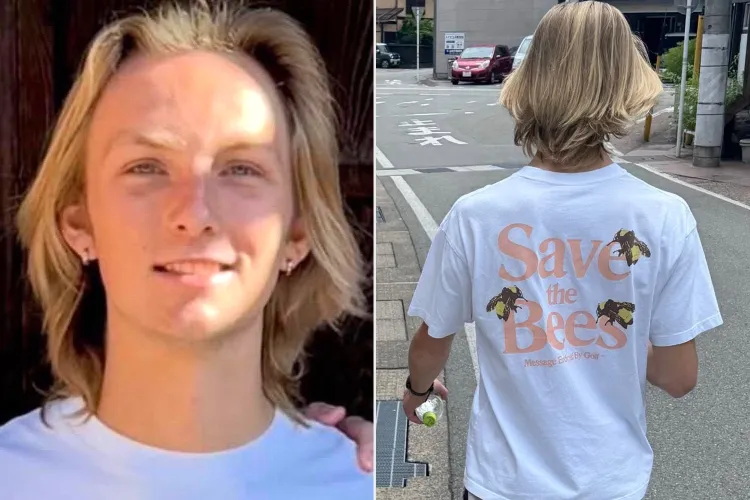
A missing US student found dead near Kyoto Japan during family trip has devastated a family who traveled across the world to celebrate a milestone. James “Weston” Higginbotham, a 20-year-old biosystems engineering major at Auburn University, vanished on May 29, 2026, after leaving his parents Nancy and Keith Higginbotham to explore the historic Japanese city on his own. Subsequently, volunteer search-and-rescue teams discovered the Alabama resident’s body on June 6, 2026, in a mountainous area outside Kyoto.
What began as a joyous family vacation to celebrate Weston’s younger brother’s high school graduation transformed into every parent’s nightmare. Since May 25, 2026, the Higginbotham family had been traveling together, exploring Japan’s cultural treasures. However, after a disagreement on May 29, Weston separated from his family. Using the Life360 app, his mother was able to track his movements until that evening when his phone went dark and location services were disabled.
The tragedy has left an Alabama community in mourning while raising questions about what happened during those final hours in the mountains of Yamashina.
Timeline: What Happened to Weston Higginbotham?
May 25, 2026: Family Arrives in Japan
The Higginbotham family began their vacation in Japan. According to Nancy Higginbotham’s social media posts, the trip was planned to celebrate her younger son’s high school graduation. Meanwhile, Weston, an experienced hiker and passionate environmentalist, looked forward to exploring Japan’s natural landscapes.
May 29, 2026: The Argument and Separation
On this Friday morning, Weston had a disagreement with his mother about her use of ChatGPT to help plan their trip. During an interview with NBC News, Nancy later explained the argument centered on AI’s environmental impact. “We try never to use it and I totally agree with him,” she said. “It was just a dumb, dumb argument to have.”
After the disagreement, Weston left his parents to explore Kyoto independently. Through Life360, his mother tracked his movements, watching as he boarded a train and visited several stores.
May 29, 2026, Evening: Last Confirmed Sighting
CCTV footage captured Weston exiting a train at Yamashina station in Kyoto. Police confirmed this was his last known location. The cameras showed him walking alone on a path leading toward hiking trails in the nearby wooded mountains. However, shortly after his parents texted asking where he was going, his phone location services were turned off. According to his mother, this was out of character for him.
May 30 – June 1, 2026: Initial Police Search
Japanese authorities launched an extensive search operation that lasted 72 hours. In addition, more than 100 police officers participated, along with K-9 units and helicopters. Authorities focused the search on the densely wooded mountainous area near Yamashina where Weston was last seen heading.
June 2, 2026: Typhoon Hampers Efforts
A severe storm swept through the region, bringing heavy rain and wind. As a result, the weather hindered search efforts and raised concerns for Weston’s safety if he remained in the mountains. That night, Nancy and Keith attempted their own search with flashlights and headlamps but encountered wildlife and difficult terrain that forced them to turn back.
June 3, 2026: Police Search Ends, Family Continues
After exhausting available resources, the official police search concluded on June 5, 2026. Police watched “endless footage on CCTV cameras” but found no additional traces beyond the Yamashina sighting. Because of the wet, steep terrain, Japanese officials cited this as a significant obstacle.
June 6, 2026: Body Discovered
At approximately 2:35 p.m. local time on Saturday, June 6, 2026, volunteer search-and-rescue teams discovered Weston’s body in a mountainous area outside Kyoto. Meanwhile, the Higginbotham family had organized their own search efforts with help from local residents and hired search-and-rescue professionals to cover areas police had not explored.
Who Was James “Weston” Higginbotham?
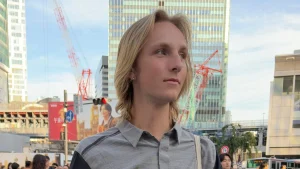
James “Weston” Higginbotham was a junior at Auburn University studying biosystems engineering with a focus on sustainability. The 20-year-old was a Hoover, Alabama native who graduated from Spain Park High School. According to those who knew him, he was a passionate naturalist with a deep commitment to environmental protection.
About a year before his death, Weston became vegan as part of his dedication to sustainability and reducing his environmental impact. His mother described him as someone who constantly educated himself about the world, always carrying books. For example, during the Japan trip, he had a book about butterflies in his back pocket.
“He just loves to go outside and go for a walk at a trail or go for a small hike, no matter what time of day,” Nancy Higginbotham told CNN’s Erin Burnett. “That’s just fun to him.”
According to his mother, Weston’s life goal was to travel the world, visiting mountains and diverse cultures where he could “embed himself in different cultures.” Hoover Mayor Nick Derzis described him as a “young man of remarkable character” who “touched everyone who knew him.”
What Happened in the Mountains Near Kyoto?
Kyoto Prefectural Police told media outlets that no foul play is suspected in Weston’s death. However, authorities have not disclosed a cause of death, citing respect for the family’s privacy. The mountainous Yamashina area where search teams found his body features densely wooded terrain with hiking trails popular among experienced hikers.
On the night of June 2, the region experienced severe weather, with a typhoon bringing wind and heavy rain. Because Weston disappeared on May 29 and searchers did not find his body until June 6, it remains unclear whether he encountered the storm or if something else occurred.
Police previously stated they believed it was “highly probable” Weston left his family intentionally based on the circumstances. They expressed concern for his safety because he did not speak Japanese and was unfamiliar with the area.
How Did the Community Respond to the Search?
The search for Weston Higginbotham mobilized an extraordinary international response. Nancy Higginbotham’s social media posts about her missing son spread rapidly across the United States, Japan, and around the world. As a result, countless volunteers offered assistance, including local Japanese residents who joined search efforts despite language barriers.
Media reports highlighted stories of Japanese citizens going above and beyond to help. For example, local residents provided translation assistance, search coordination, and moral support to the devastated family. The volunteer search-and-rescue group that ultimately found Weston’s body exemplified this community spirit.
After news of Weston’s death, tributes poured in from multiple sources. Auburn University President Christopher Roberts released a statement saying the community lost “a valued member of the Auburn Family.” In addition, U.S. Senators Katie Britt and Tommy Tuberville from Alabama mourned the loss on social media. State Representative Susan DuBose noted that communities across “Greystone, Hoover, North Shelby County and beyond have been praying for this family.”
Current Status: Family Requests Privacy

On June 6, 2026, Nancy Higginbotham confirmed her son’s death through a Facebook post. “Our family is heartbroken to share that Weston was found deceased by a volunteer search-and-rescue group in a mountainous area outside of Kyoto,” she wrote. “The grief we feel is impossible to put into words.”
The family expressed gratitude for the overwhelming support they received during the search. “The outpouring of kindness and support has carried us through the darkest days of our lives,” Nancy wrote. “We shared our story here and in the media in the hope of finding Weston. However, we now ask for privacy as we begin to navigate this unimaginable loss.”
Japanese authorities have closed their investigation with no indication of foul play. At the family’s request, the exact circumstances of Weston’s death remain private. Authorities have returned his body to the United States, and the family handled funeral arrangements privately.
Subscribe for Updates on True Crime Cases
Stay informed about cases like this one by subscribing to the Crime and Psyche YouTube channel. We provide thoughtful, respectful coverage of missing persons cases and true crime stories with a focus on understanding the human elements behind each tragedy. In addition, our subscribers receive regular updates, psychological analysis, and comprehensive breakdowns of developing cases. Join our community of informed viewers who value factual, empathetic coverage.
Sources
- Reuters: Missing US student found dead near Kyoto, Japan, mother says
- CNN: Missing American student found dead in Japan after dayslong search
- People Magazine: Missing Auburn Student Found Dead After Disappearing in Japan
- NBC News interviews with Nancy Higginbotham
- Auburn University official statements
- Kyoto Prefectural Police reports
A Family’s Nightmare and Unanswered Questions
The tragedy of Weston Higginbotham’s death reminds us how quickly joy can turn to heartbreak. A family vacation meant to celebrate achievement ended with unimaginable loss. Although the official investigation found no evidence of foul play, the specific circumstances that led to this young man’s death in the mountains outside Kyoto may never be fully known.
What remains clear is the profound impact one young life had on those around him. Weston’s commitment to environmental sustainability, his love of nature and travel, and his intellectual curiosity painted a picture of someone with much to offer the world. His loss reverberates through the Auburn University community, his hometown of Hoover, Alabama, and the many people worldwide who followed his story.
For Nancy and Keith Higginbotham, the pain is unimaginable. No parent should have to search foreign mountains for their child. Furthermore, no family should return from a celebration trip without one of their own. As they requested privacy to grieve, we honor Weston’s memory by remembering not just his tragic end, but the passionate, curious, environmentally conscious young man he was.
The international response to this tragedy demonstrated humanity at its best. Despite not speaking English, Japanese volunteers joined Americans they’d never met to search rugged terrain. Meanwhile, strangers across the world shared posts and offered prayers. In this small way, Weston’s death brought people together across cultural and linguistic divides, something he himself would have appreciated given his love for experiencing different cultures.