
When Self-Harm Meets the Justice System: The Disturbing Case of Robert Brandon Keller
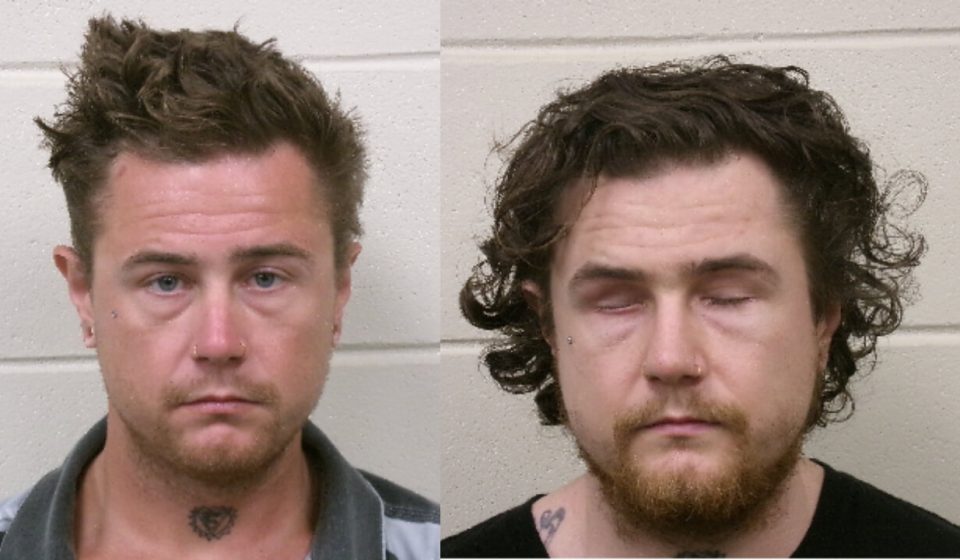
In a case that shocked Georgia’s legal community, Robert Brandon Keller, a man who removed his own eyeballs in jail before his murder trial, was nevertheless found competent to face justice for the brutal killing of Bruce Dupree. The 2024 murder on Interstate 16 led to Keller’s arrest, but what happened afterward inside the Bulloch County Jail raised profound questions about mental health, criminal responsibility, and how the justice system handles extreme self-destructive behavior.
However, Keller didn’t just remove his eyes. According to court testimony, he also bit off a portion of his own tongue while in custody. Despite these shocking acts of self-mutilation, two independent doctors evaluated him and reached the same conclusion: he was sane when he allegedly killed Dupree and competent to understand the proceedings against him. As a result, Judge Matthew Hube agreed in February 2026, clearing the path for trial.
The murder trial began on June 29, 2026, in Bulloch County, Georgia. Prosecutors allege that Keller, under the influence of methamphetamine, fatally stabbed Dupree during a carjacking on October 14, 2024. However, defense attorneys paint a different picture, suggesting a third person was involved and that Keller’s drug addiction clouds the true events of that night.
What Happened on October 14, 2024?
How Did Bruce Dupree Die?
The tragedy unfolded on a Monday evening along Interstate 16 near Mile Marker 113 in Bulloch County. Bruce Dupree, returning home to Metter, Georgia, after driving his partner Gene Hall to work on Hilton Head Island, South Carolina, never completed his journey. At approximately 8:30 p.m., multiple 911 calls reported a man lying on the roadside, covered in blood and desperately waving at passing vehicles.
Raymond Bishop called 911 after spotting a car oddly parked beyond the emergency lane. Because he worried someone might be experiencing a medical emergency, he immediately reported what he saw. Meanwhile, Bryelle Devouse made another call after seeing a man “bleeding and waving to cars” near the median. In fact, both witnesses had stumbled upon Dupree’s final moments.
Georgia State Patrol Troopers Keith McCarty and James Turner arrived at 8:59 p.m. Significantly, Turner, first on scene, described finding Dupree in devastating condition. “He was very wet,” Turner testified. “He didn’t have a shirt on. His face was pretty badly beat up.” In addition, Dupree was shirtless, shoeless, and covered in blood. Although emergency services tried to help, he was pronounced dead at the scene.
What Evidence Linked Keller to the Crime?
The investigation quickly pointed toward Robert Brandon Keller. At approximately 9:15 p.m., less than an hour after Dupree’s body was discovered, Cody Thomas, a cashier at Pojo’s convenience store on Highway 301, watched a man enter with blood on his hands and neck. In fact, the man, later identified as Keller, tried to purchase a Coca-Cola with bloody cash. However, Thomas offered him a rag to clean himself before Keller left on a bicycle.
Notably, Dupree’s vehicle was found abandoned at this same location. As a result, law enforcement tracked Keller to the Patriot Inn off Highway 301 South and Interstate 16. After a short foot pursuit, deputies took him into custody.
The Investigation: A Trail of Blood and Evidence
What Did Crime Scene Investigators Discover?
Reid Odom, a crime scene investigator with the Bulloch County Sheriff’s Office, spent hours detailing the extensive evidence collection. In particular, his team documented a blood trail stretching from the eastbound side of Interstate 16 to the westbound side. Near the median, investigators found flip-flops and a hat that Hall identified as belonging to Dupree.
At Dupree’s abandoned vehicle, Odom’s team discovered a broken driver’s side window and apparent blood on multiple door handles. Inside the car, more blood evidence was collected. As a result, DNA testing would later prove crucial.
The Pojo’s convenience store yielded significant evidence. In trash cans and around the parking lot, investigators found:
- A bloody rag
- A bloody water bottle missing its lid
- A wallet containing credit cards in Keller’s name
- A backpack and laptop bag
- Two shirts, one believed to be what Dupree wore when he left South Carolina
How Did Investigators Connect Multiple Crime Scenes?
Near the Pojo’s location, Odom’s team investigated a radio tower in Bulloch County. There, they discovered more critical evidence: a broken cellphone believed to belong to Keller, dried blood on the tower and fence, black socks, and most tellingly, a white plastic screw-on lid. Significantly, this lid perfectly matched the water bottle tumbler found at Pojo’s, physically connecting the scenes.
At a different gas station, TA Travel Center, investigators recovered a green hoodie and several books. In fact, the hoodie matched what Keller wore in surveillance footage from Pojo’s on October 14.
On October 21, while continuing to search the I-16 median, investigators found a knife with apparent blood on it.
The DNA Evidence: Whose Blood Was Where?
What Did Forensic Testing Reveal?
Jessica Romanski, a forensic biologist with the Georgia Bureau of Investigation crime lab, tested blood samples from the investigation. All samples returned positive for human blood. However, she noted that while the GBI has no submission limit for homicide cases, DNA testing is limited to four items per case.
Nikki Vatistas, a forensic DNA analyst, tested two critical samples. For example, swabs from the gear shifter in Dupree’s vehicle contained DNA from both Keller and Dupree, with a higher proportion of Keller’s blood. In addition, a swab from black shorts Keller wore at arrest also contained both men’s DNA, but with a higher proportion of Dupree’s blood.
As a result, this DNA evidence placed both men in the vehicle and showed their blood had mixed, supporting the prosecution’s theory of a violent struggle.
The Prosecution’s Theory: A Drug-Fueled Carjacking Gone Fatal
What Does the State Allege Happened?
Jillian Gibson, Acting District Attorney for the Ogeechee Judicial Circuit, alleged that Keller, under the influence of methamphetamine, fatally stabbed Dupree and cut his neck during a carjacking. Although she acknowledged the state lacks a clear motive, she argued they don’t need one for a guilty verdict. “The state would leave the jury with ‘no doubt’ Keller committed the crime,” Gibson told jurors.
According to the prosecution, Keller attacked Dupree, stole his vehicle, and left him dying on the interstate. Subsequently, Keller drove to the Pojo’s convenience store, where he abandoned the car and attempted to buy a drink with bloody money. Afterward, he discarded evidence at multiple locations before his arrest at the Patriot Inn.
When investigators attempted to interview Keller after his arrest and read him his Miranda rights, he agreed to talk. However, Gibson said, “the defendant claimed not to remember” what happened.
The Defense’s Alternative Theory: Was Someone Else Involved?
What Does Keller’s Defense Team Argue?
QueAndra Campbell from the Public Defender’s Office presented a starkly different narrative. In fact, she acknowledged that Keller “wasn’t perfect” and had struggled with addiction. According to Campbell, Keller was traveling from his home state of North Carolina to Florida to support his six-month sobriety journey. However, after finding temporary work on a Georgia farm, he relapsed.
Campbell argued that a third person was present that night. “It’s our belief that he had someone else in the car with him before giving, they gave Mr. Keller a ride,” Campbell told the jury. “He and that person got into an altercation and a struggle happened.”
The defense pointed to several gaps in the investigation. For example, an unidentified bag was found near where Dupree’s body was located, but investigators never determined its owner. In addition, Campbell questioned whether investigators could differentiate between blood and dirt on the green hoodie. Most significantly, she challenged why Crime Scene Investigator Reid Odom collected “probably more” than 27 sets of samples but only submitted “three to four” for testing.
Additionally, the defense noted that a dating app was found on Dupree’s phone, downloaded on October 19, five days after his death. As a result, this detail, Campbell suggested, raises questions about who had access to the phone.
Hall, Dupree’s life partner, testified that it was unusual for Dupree to pick up hitchhikers. Nevertheless, the defense maintained this is what happened, leading to the fatal encounter.
Why Did Keller Remove His Own Eyes?
What Happened Inside the Jail?
After his arrest, while awaiting trial in the Bulloch County Jail, Keller committed acts of extreme self-mutilation. Specifically, he removed both of his eyeballs and bit off a portion of his tongue. As a result, these shocking acts raised immediate questions about his mental state and whether he could stand trial.
The defense argued Keller was insane at the time of the alleged murder. However, two doctors who evaluated him separately reached different conclusions. Dr. Jeremy Gay evaluated Keller for criminal responsibility. In fact, he found the acts of self-harm irrelevant because they occurred after the murder, not during it.
Dr. Daniel Fass evaluated Keller’s competency to stand trial. During his interview, Fass described Keller as “cooperative, polite, apathetic, depressed and hopeless” but crucially, without symptoms of a “severe, persistent mental illness.” Therefore, Fass suggested Keller’s self-destructive behaviors resulted from a “guilt and/or shame response” rather than insanity.
Did Keller Fake Mental Illness?
Two corrections officers provided testimony that cast doubt on whether Keller genuinely experienced psychotic symptoms. According to Court TV’s reporting, “the Defendant told them he wanted to go to a medical prison, he was not mental, and that he said he heard voices to cover his ass.”
As a result, this testimony suggested Keller may have fabricated symptoms to avoid prosecution or secure placement in a medical facility rather than a traditional prison.
Key Figures in the Case
The Victim
Bruce Dupree was a resident of Metter, Georgia, who lived with his partner, Gene Hall. On October 14, 2024, Dupree was returning home after driving Hall to work on Hilton Head Island, a routine Monday trip. In fact, he was running later than usual that day because he had to turn around to retrieve Hall’s forgotten laptop. As a result, this delay may have placed him in the wrong place at the wrong time. Ultimately, Dupree died at age that has not been publicly disclosed, leaving behind Hall and other loved ones who attended the trial.
The Accused
Robert Brandon Keller is originally from North Carolina. According to his defense attorney, he had been sober for six months before relapsing while working temporarily on a Georgia farm. However, prosecutors allege he was under the influence of methamphetamine on the night of October 14, 2024. Consequently, Keller faces 10 charges, including malice murder, four counts of felony murder, aggravated assault, armed robbery, hijacking a motor vehicle, and possession of a firearm or knife during the commission of certain felonies. Despite all charges, he has pleaded not guilty.
Legal Teams and Officials
Jillian Gibson serves as Acting District Attorney for the Ogeechee Judicial Circuit and is prosecuting the case. Meanwhile, QueAndra Campbell from the circuit’s Public Defender’s Office represents Keller. In addition, Judge Matthew Hube presides over the case and ruled in February 2026 that Keller was competent to stand trial despite his self-inflicted injuries.
What Are the Charges Against Robert Keller?
Keller faces a total of 10 serious charges:
- Malice murder
- Four counts of felony murder
- Aggravated assault
- Armed robbery
- Hijacking a motor vehicle
- Possession of a firearm or knife during commission or attempt to commit certain felonies
These charges stem from the events of October 14, 2024, and if convicted on all counts, Keller faces the possibility of life imprisonment or even the death penalty, depending on the jury’s findings.
How Did the Trial Begin?
What Happened During Opening Day?
The trial commenced on June 29, 2026, in Bulloch County Superior Court. In fact, both prosecution and defense delivered opening statements that acknowledged the incomplete picture of that October night.
Gibson told jurors that while the state lacks a clear motive, the evidence would leave no doubt of Keller’s guilt. In contrast, Campbell countered that “this is a puzzle, and they don’t have all the pieces,” urging jurors to recognize the reasonable doubt created by missing information.
Throughout the first day, the prosecution called multiple witnesses. For example, Hall testified about Dupree’s routine and his unusual delay that evening. In addition, the 911 callers Bishop and Devouse described what they witnessed. Meanwhile, Georgia State Patrol troopers detailed the horrific scene. Subsequently, convenience store cashier Thomas recounted Keller’s bloody appearance and attempt to buy a Coca-Cola.
Crime scene investigator Odom spent hours walking the jury through evidence collection across multiple locations. Finally, GBI forensic experts Romanski and Vatistas explained blood and DNA testing results that connected both men to the vehicle and to each other’s blood.
How Did Keller Behave in Court?
Keller’s courtroom behavior raised concerns throughout the proceedings. For example, he refused to stand when instructed and repeatedly put his head down during testimony. Meanwhile, as Dupree’s family members watched from the gallery, occasionally stepping out when graphic photo and video evidence was shown, Keller appeared disengaged.
At the end of the first day, as the jury stood to leave, Keller suddenly rose and attempted to address the court. However, Judge Hube instructed him to stop. When Keller refused to comply, the judge directed sheriff’s deputies to remove him from the courtroom. As deputies escorted him out, Keller repeatedly shouted that he was being framed.
Timeline of Events
October 14, 2024: The Day of the Murder
Morning/Afternoon: Bruce Dupree drives his partner Gene Hall from their home in Metter, Georgia, to Hall’s workplace on Hilton Head Island, South Carolina. Notably, this is their regular Monday routine.
Late Afternoon: Dupree begins his return journey home but realizes Hall forgot his laptop. As a result, he turns around to retrieve it, causing a delay in his usual schedule.
Evening: Dupree drives back toward Metter along Interstate 16.
Approximately 8:30 p.m.: Multiple 911 calls report a person lying on I-16 near Mile Marker 113. For example, Raymond Bishop calls about an oddly parked car. Meanwhile, Bryelle Devouse reports a man “bleeding and waving to cars” near the median.
8:59 p.m.: Georgia State Patrol Troopers Keith McCarty and James Turner arrive at the scene. In particular, Turner finds Dupree shirtless, shoeless, covered in blood, and severely injured. Despite emergency response, Dupree is pronounced dead at the scene.
9:15 p.m.: Robert Brandon Keller enters Pojo’s convenience store on Highway 301 with blood on his hands and neck. Significantly, cashier Cody Thomas observes him attempting to buy a Coca-Cola with bloody cash. However, Thomas offers Keller a rag. Subsequently, Keller leaves on a bicycle. In addition, Dupree’s abandoned vehicle is found at this location.
Later that evening: Law enforcement locates Keller at the Patriot Inn off Highway 301 South and I-16. After a brief foot pursuit, deputies take him into custody.
October 17, 2024
Crime scene investigators search a radio tower near Pojo’s. As a result, they discover Keller’s broken cellphone, dried blood, black socks, and a white plastic lid matching the tumbler found at Pojo’s.
October 21, 2024
While continuing to search the I-16 median, investigators discover a knife with apparent blood on it.
2024 (Date Unspecified)
A grand jury indicts Keller on 10 charges, including malice murder, four counts of felony murder, and armed robbery.
While in Custody (Date Unspecified)
Keller removes both of his own eyeballs and bites off a portion of his tongue while held in the Bulloch County Jail.
February 2026
After competency evaluations by Dr. Jeremy Gay and Dr. Daniel Fass, Judge Matthew Hube rules that Keller is competent to stand trial despite his self-inflicted injuries. In fact, both doctors find him sane at the time of the alleged murder.
June 29, 2026: Trial Begins
Opening statements commence in Bulloch County Superior Court. In particular, the prosecution and defense present competing narratives. Throughout the day, multiple witnesses testify, including Dupree’s partner, 911 callers, law enforcement, the convenience store cashier, and crime scene investigators. In addition, GBI forensic experts present DNA evidence. At day’s end, Keller is removed from the courtroom after refusing the judge’s instructions and shouting that he’s being framed.
June 30, 2026
The trial continues with additional witness testimony scheduled.
Current Status: Where Does the Case Stand Now?
As of the most recent reports from June 30, 2026, the trial remains ongoing. In fact, the prosecution continues calling witnesses to build their case that Keller murdered Dupree during a drug-fueled carjacking. Meanwhile, the defense maintains that reasonable doubt exists because of the incomplete evidence and the possibility of a third person’s involvement.
The jury has heard extensive testimony about the crime scene, evidence collection, and forensic analysis. Significantly, DNA evidence placing both Keller’s and Dupree’s blood in the victim’s vehicle creates a strong link between the two men. However, the defense has raised questions about investigative gaps, including the limited DNA testing and unidentified evidence.
Keller has pleaded not guilty to all charges. As a result, his fate now rests with the Bulloch County jury, who must weigh the physical evidence against the defense’s alternative theory and decide whether the state has proven guilt beyond a reasonable doubt.
What Does This Case Reveal About Mental Health and Criminal Justice?
The question of how Keller could be found competent after removing his own eyes speaks to the legal distinction between competency and insanity. For example, competency to stand trial asks: Does the defendant understand the proceedings and can he assist in his own defense? In contrast, criminal responsibility asks: Was the defendant sane at the time of the crime?
Dr. Fass found that despite Keller’s extreme self-harm, he understood the charges against him and could work with his attorneys. Similarly, Dr. Gay determined the self-mutilation, while shocking, occurred after the alleged crime and therefore didn’t indicate insanity during the murder itself.
The doctors’ conclusion that Keller’s behavior stemmed from “guilt and/or shame” rather than severe mental illness raises profound questions. For example, can someone experiencing such overwhelming guilt that they remove their own eyes truly be without severe psychological disturbance? Meanwhile, the testimony from corrections officers suggesting Keller admitted faking mental symptoms complicates this picture further.
This case highlights the limitations of the legal system’s binary approach to mental health. In particular, someone can be deeply psychologically troubled, even self-destructive, yet still meet the legal threshold for competency and sanity. As a result, the law focuses on cognitive understanding and volitional control at specific moments in time, rather than overall mental wellness.
Stay Connected for Updates on This Developing Case
The trial of Robert Brandon Keller continues to unfold in Bulloch County, Georgia. As testimony proceeds and the jury deliberates, this case will test how the justice system balances mental health considerations with accountability for violent crime. In addition, the outcome will have implications for how courts handle defendants who engage in extreme self-harm while in custody.
For comprehensive coverage of this case and in-depth analysis of the psychological factors in true crime cases, subscribe to the Crime and Psyche YouTube channel, where we explore the human stories behind the headlines with empathy and insight.
Sources
- WSAV News: Murder trial for man accused of gouging his own eyes out begins in Bulloch County
- WTOC: Man who removed his own eyes faces jury in Bulloch County
- Court TV: Accused killer found competent to stand trial after removing his own eyeballs
A Case That Challenges Our Understanding of Justice and Culpability
The intersection of violent crime, substance abuse, and extreme self-harm creates a deeply troubling case. In particular, Bruce Dupree lost his life on a Georgia interstate in a violent attack that left him bleeding on the roadside while desperately trying to flag down help. Meanwhile, Gene Hall lost his partner of many years. As a result, their loss is permanent and profound.
Robert Brandon Keller’s alleged actions that night, if the prosecution’s theory is correct, represent a senseless tragedy driven by drug use and desperation. In addition, his subsequent self-mutilation in jail adds another layer of horror to an already disturbing case. Whether his eye removal represents genuine psychosis, overwhelming guilt, or calculated manipulation to avoid trial, as some evidence suggests, may never be fully understood.
What remains clear is that the justice system must grapple with these complexities while keeping focus on the central question: Did Keller murder Bruce Dupree? In fact, the jury’s verdict will answer that question based on the evidence presented. However, this case will likely resonate far beyond the courtroom, challenging our assumptions about criminal responsibility, mental health, and the limits of the legal system’s ability to address profound psychological disturbance.
The truth of what happened on Interstate 16 that October evening may be partially obscured by drugs, violence, and the passage of time. Nevertheless, the legal process moves forward, seeking justice for Bruce Dupree while attempting to fairly adjudicate the fate of a man who destroyed his own eyes while awaiting judgment.



Great content! Keep up the good work!
Thank you for this! I’m glad to have your support.