

When a Twisted Game Turned Deadly
In March 2003, Paul Christos agreed to play what his wife called a harmless game. However, Sheila Davalloo handcuffed and blindfolded her husband in their Pleasantville, New York condominium, asking him to guess what she was touching him with. The game took a horrifying turn when Davalloo stabbed Christos multiple times in the chest with a paring knife. This attack, known as the blindfold game attempted murder, would ultimately expose an even darker secret: Davalloo had already killed another woman four months earlier.
The brutal stabbing of Christos wasn’t a spontaneous act of violence. Instead, it was part of a calculated pattern that began with the murder of Anna Lisa Raymundo, a 32-year-old research scientist who stood between Davalloo and the man she obsessed over. Meanwhile, Raymundo had been beaten and stabbed nearly 20 times in her Stamford, Connecticut waterfront condominium on November 8, 2002.
Both crimes stemmed from a twisted love triangle at Purdue Pharma, a pharmaceutical company in Stamford where all three worked. As a result, Davalloo’s desperate desire to eliminate her romantic rival and later her husband would lead to two separate trials, lengthy prison sentences, and a landmark legal ruling about marital privilege.
Timeline of Events: From Affair to Murder
November 2002: The Murder of Anna Lisa Raymundo

November 8, 2002 marked the day Anna Lisa Raymundo’s life ended violently. Shortly after noon, a woman called 911 from a payphone in Stamford, Connecticut, reporting an attack. Although the caller claimed to be Raymundo’s neighbor and stated, “I think a guy is attacking my neighbor,” she provided limited information before abruptly hanging up.
Authorities rushed to apartment 105 at Raymundo’s waterfront condominium complex. Upon arrival, they discovered the young scientist dead on the floor. Blood pooled throughout the apartment, and objects were strewn about, indicating a violent struggle. In addition, Raymundo had been stabbed nearly 20 times and suffered blunt force head trauma.
Police immediately faced challenges with the case. For example, the 911 caller had given the wrong address initially before correcting herself. When dispatchers called the payphone back, they determined its location at a restaurant down the street from the crime scene. However, the restaurant manager hadn’t noticed anyone using the phone.
The Mystery of the 911 Call
Investigators canvassed Raymundo’s apartment complex searching for the neighbor who made the call. However, nobody matched the voice on the recording. As a result, detectives grew suspicious about several inconsistencies. Why would a neighbor call from a payphone blocks away instead of her own home? Moreover, why did she mistake her own address? In addition, why did she direct police to look for a male suspect?
The trail went cold for months. Meanwhile, Nelson Sessler, Raymundo’s boyfriend and Purdue Pharma colleague, grieved the loss of his fiancée. The couple had recently moved in together and become engaged. During this difficult time, Davalloo offered Sessler comfort, and their previous affair rekindled.
March 2003: The Blindfold Game Attack
Four months after Raymundo’s murder, on an evening in March 2003, Davalloo convinced her husband to participate in what she described as a game. After handcuffing and blindfolding Christos at their Pleasantville home, she asked him to guess what she was touching him with.
Without warning, Davalloo plunged a paring knife into her husband’s chest multiple times. As Christos begged his wife to call 911, he fought for his life. Instead of helping him, however, Davalloo made a different call. She phoned Sessler and invited him to dinner that evening.
Christos survived the attack. After police arrested Davalloo, they began investigating her background. During their investigation, detectives uncovered her affair with Sessler and connection to Raymundo. Furthermore, phone records proved Davalloo had contacted Sessler immediately after stabbing her husband rather than calling for help.
2008: Arrest for Raymundo’s Murder
Authorities had identified Davalloo as a person of interest in Raymundo’s death shortly after the 2002 murder. However, they lacked sufficient evidence until after the attack on Christos. Captain Richard Conklin of the Stamford Police told the Stamford Advocate that investigators had been building their case for years.
On December 29, 2008, police obtained an arrest warrant for Davalloo. Meanwhile, authorities brought her to Stamford from New York, where she was already serving time for the attempted murder of her husband. Officials scheduled her for arraignment the following day on charges of murdering Anna Lisa Raymundo.
What Motivated Sheila Davalloo’s Crimes?
The Love Triangle at Purdue Pharma
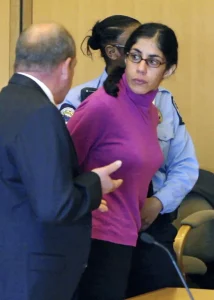
All three individuals worked together as research scientists at Purdue Pharma’s Stamford headquarters. Although Davalloo was married to Christos, she and Sessler began a sexual relationship. The affair continued for some time before Sessler ended it to pursue Raymundo.
Captain Conklin explained the motive clearly: “The stabbing culminated from that love triangle. She meant to eliminate the love interest in that triangle.” Therefore, prosecutors argued that Davalloo couldn’t accept losing Sessler to another woman. As a result, she decided to murder her rival.
The Elaborate Deception
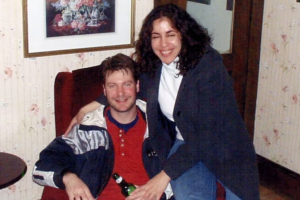
Sheila Davalloo and Nelson Sessler.
Davalloo didn’t simply commit murder and hope to avoid detection. Instead, she crafted an elaborate cover story. After killing Raymundo, she placed the 911 call herself, deliberately describing a male attacker to send police searching for the wrong suspect.
Additionally, Davalloo had prepared for the crime methodically. During the trial, her husband testified that she borrowed his night-vision binoculars and an eavesdropping device. At the time, she claimed these items were to help a friend named “Melissa” spy on “Melissa’s” love interest. Furthermore, Christos revealed his wife owned a lock-picking kit and practiced picking locks at home. Authorities believe Davalloo used these skills to gain entry to Raymundo’s condominium just before the murder.
How Did Police Connect the Two Cases?
The Phone Records That Broke the Case
When Davalloo stabbed her husband in March 2003, she made a critical error. Rather than calling emergency services, she immediately phoned Sessler. As a result, investigators obtained her phone records, which proved she contacted her lover instead of helping her dying husband.
This discovery led detectives to examine Davalloo’s connection to Sessler more closely. During their investigation, they learned about the affair and Sessler’s relationship with Raymundo. As a result, Davalloo became the prime suspect in the unsolved Stamford murder.
The Voice Analysis Evidence
During Davalloo’s 2012 trial for Raymundo’s murder, prosecutors presented compelling evidence linking her to the mysterious 911 call. Tom Owen, a forensic voice identification expert, analyzed the 2002 recording. Using specialized software, he compared it to 2004 recordings of Davalloo’s voice.
Owen testified definitively: “Sheila Davalloo is the person that made the 911 call.” Therefore, his analysis provided crucial evidence that Davalloo had tried to cover up her own crime by reporting it and misdirecting investigators.
DNA Evidence at the Crime Scene
Beyond the voice analysis, prosecutors presented physical evidence. For example, a single drop of blood found on a bathroom sink handle at Raymundo’s apartment matched Davalloo’s DNA. As a result, this biological evidence placed her at the crime scene and contradicted any claims of innocence.
The Trials and Convictions
New York Conviction for Attempted Murder
Davalloo first faced justice in New York for stabbing her husband. However, the evidence against her was overwhelming. Because Christos survived, he could testify about the blindfold game and the knife attack. Meanwhile, phone records proved she called her lover instead of seeking help.
A jury convicted Davalloo of attempted murder, first-degree assault, and criminal possession of a weapon. As a result, the court sentenced her to 25 years in prison. However, her legal troubles were far from over.
Connecticut Murder Trial and Husband’s Testimony
In 2012, Davalloo stood trial in Connecticut for Raymundo’s murder. During the trial, the prosecution built their case on multiple pillars of evidence: the voice analysis of the 911 call, DNA evidence from the crime scene, and testimony from her husband.
Paul Christos provided damaging testimony during the trial. For example, he revealed that his wife frequently told him stories about a friend named “Melissa” and the intimate details of Melissa’s workplace love triangle with “Jack” and “Anna Lisa.” Consequently, prosecutors demonstrated that “Melissa” was actually Davalloo herself, “Jack” was Sessler, and “Anna Lisa” was Raymundo.
Davalloo’s defense attorney, Mark Rademacher, attempted to prevent Christos from testifying. In his motion, he invoked the marital communications privilege under Connecticut state law. This legal protection generally prevents spouses from being compelled to testify about confidential marital conversations.
The Landmark Supreme Court Ruling
After her conviction, Davalloo appealed. Eventually, her case reached the Connecticut Supreme Court, which had to decide whether her statements to her husband were protected by marital privilege. On December 31, 2015, the court issued a unanimous 7-0 ruling.
The justices determined that Davalloo’s self-incriminating statements to Christos were not confidential. Specifically, the court explained that protected communications must be “induced by the affection, confidence, loyalty and integrity of the marital relationship.” However, Davalloo’s statements didn’t meet this standard because she was essentially enlisting her husband’s help in stalking and spying on her romantic rival.
Prosecutor Timothy Sugrue explained the distinction clearly. According to him, marital communications receive protection when spouses discuss themselves or their marriage. In contrast, Davalloo was using her husband as an accomplice in her obsessive pursuit of another man. “I’m glad for the families that it’s over,” Sugrue said after the ruling. “This will bring a long, drawn-out process to a close.”
The jury convicted Davalloo of murder. Subsequently, the court sentenced her to 50 years in prison for killing Anna Lisa Raymundo.
Who Was Anna Lisa Raymundo?
Anna Lisa Raymundo was a 32-year-old research scientist working at Purdue Pharma in Stamford. Prior to her death, she had recently become engaged to Nelson Sessler and moved into a waterfront condominium with him. Meanwhile, friends and family described her as a dedicated professional with a bright future.
Raymundo’s murder devastated those who knew her. Ultimately, she became the victim of a crime born purely from jealousy and obsession. Unfortunately, her life was cut short simply because she fell in love with a man another woman wanted.
Who Is Sheila Davalloo?
Sheila Davalloo was a research scientist at Purdue Pharma, originally from Pleasantville, New York. Although married to Paul Christos, she simultaneously carried on an affair with Nelson Sessler. However, when Sessler ended their relationship to be with Raymundo, Davalloo’s obsession turned deadly.
Psychological experts might point to several warning signs in Davalloo’s behavior. For example, she demonstrated classic patterns of obsessive attachment and an inability to accept rejection. In addition, the elaborate planning involved in both crimes suggests a calculating mind rather than crimes of passion. Furthermore, her willingness to involve her unknowing husband in her stalking activities reveals a disturbing capacity for manipulation.
During her time in prison, Davalloo has given interviews attempting to explain her actions. However, no explanation can justify taking an innocent life or nearly killing her own husband.
Where Are They Now?
Sheila Davalloo’s Current Status
Davalloo remains incarcerated, serving her sentences for both crimes. After completing her 25-year New York sentence for the attempted murder of Paul Christos, she is now serving the 50-year Connecticut sentence for murdering Anna Lisa Raymundo in a Connecticut prison facility.
Because of the consecutive nature of her sentences, Davalloo will likely spend the rest of her life behind bars. In fact, she will be well into her 90s before becoming eligible for release.
Paul Christos After the Attack
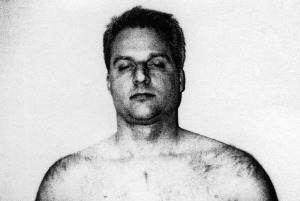
Paul Christos survived his wife’s brutal attack. Subsequently, he testified against her in both trials, providing crucial evidence about her behavior leading up to the crimes. Moreover, his cooperation with authorities proved essential in securing justice for Anna Lisa Raymundo’s family.
The psychological trauma of being attacked by a spouse, particularly in such a premeditated manner, is difficult to imagine. However, Christos not only survived physically but found the strength to ensure his wife faced consequences for both crimes.
Nelson Sessler’s Role
Nelson Sessler lost his fiancée to a brutal murder and later discovered that his former lover had committed the crime. During the trial, he testified, providing context about the relationships between all parties involved. Ultimately, the case highlights how Sessler became an unwitting focal point in Davalloo’s deadly obsession.
What Makes This Case Significant?
Legal Implications of the Marital Privilege Ruling
The Connecticut Supreme Court’s decision established important precedent. Specifically, the ruling clarified that marital communications privilege has limits. When one spouse uses the other as an accessory or accomplice to criminal activity, those communications lose their protected status.
Legal experts cite this case when discussing the boundaries of spousal privilege. In addition, the decision reinforces that legal protections exist to preserve marriage, not to shield criminal conduct.
The Psychology of Obsessive Love
Davalloo’s case demonstrates how romantic obsession can escalate to violence. Meanwhile, mental health professionals recognize several concerning patterns in her behavior:
- Inability to accept the end of a relationship
- Stalking behaviors disguised as helping a “friend”
- Elaborate planning and manipulation
- Willingness to harm multiple people to achieve her goal
- Lack of empathy for victims
These warning signs matter because they appear in many cases of intimate partner violence and stalking. Therefore, early intervention and mental health support might prevent such tragedies.
The Cover-Up That Failed
Davalloo’s attempt to disguise her crime through the fake 911 call shows criminal sophistication. For example, she understood that directing police toward a male suspect would buy her time. However, her plan contained fatal flaws. As it turned out, the inconsistencies in her call raised immediate suspicions.
This case demonstrates how modern forensic techniques, including voice analysis and DNA evidence, make it increasingly difficult for criminals to evade justice. In fact, even carefully planned murders leave traces that investigators can follow.
Lessons From the Blindfold Game Case
The blindfold game attempted murder and the killing of Anna Lisa Raymundo offer several important lessons. First, workplace affairs can have devastating consequences beyond hurt feelings and broken marriages. In particular, when romantic entanglements involve obsessive personalities, the danger escalates dramatically.
Second, the case underscores the importance of recognizing stalking behaviors. For example, Davalloo borrowed surveillance equipment and practiced lock-picking. In reality, these weren’t innocent hobbies but preparations for serious crimes. Therefore, friends and family members should take such warning signs seriously.
Third, the justice system worked, albeit slowly. Despite Davalloo’s careful planning and initial success at evading detection, investigators persisted. As a result, they connected seemingly separate cases and built strong evidence. Moreover, the legal system also clarified important precedents about marital privilege.
Stay Connected With True Crime Analysis
Cases like Sheila Davalloo’s reveal the complex intersection of psychology, law, and human tragedy. In fact, understanding these stories helps us recognize warning signs and appreciate the intricate work of investigators and prosecutors who seek justice for victims.
For more in-depth analysis of true crime cases that examine both the facts and the psychology behind them, subscribe to the Crime and Psyche YouTube channel. Specifically, each video explores the human elements behind headlines while maintaining respect for victims and their families.
Sources
- ABC7 New York: Police arrest suspect in 2002 Stamford murder
- The Seattle Times: Court: Killer’s conversations with husband not confidential
- Oxygen: Sheila Davalloo Tries To Cover Up Anna Lisa Raymundo’s Murder With 911 Call
A Tragedy Born of Obsession
The story of Sheila Davalloo, Anna Lisa Raymundo, and Paul Christos reminds us that real evil often wears an ordinary face. For example, Davalloo worked as a respected research scientist. In addition, she had a husband, a home, and a career. Yet beneath that normal exterior lurked someone capable of brutal violence against two people who trusted her.
Anna Lisa Raymundo deserved a long life with the man she loved. Similarly, Paul Christos deserved a partner who wouldn’t turn a moment of vulnerability into an attempt on his life. Unfortunately, both became victims of one woman’s inability to accept reality.
Justice ultimately prevailed, but it couldn’t restore what was lost. As a result, Raymundo never got to marry Sessler or fulfill her professional potential. Meanwhile, Christos bears physical and emotional scars from his wife’s betrayal. These human costs remind us why we study such cases: not for entertainment, but to understand how to prevent such tragedies and ensure that when they occur, justice follows.
Further Reading
If this case sparked your curiosity, these books explore similar themes in depth.
by Elizabeth Strout
The new standalone novel from the bestselling, prize-winning author of Olive Kitteridge and Lucy By The Sea
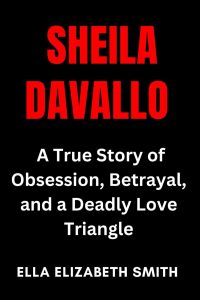
by Ella Elizabeth Smith
A True Story of Obsession, Betrayal, and a Deadly Love Triangle (Love Gone Lethal – True stories of passion, obsession, and relationships that ended in murder.)
Disclosure: This post contains affiliate links. If you purchase a product through one of these links, Crime and Psyche may earn a small commission at no extra cost to you. Thank you for supporting the channel.