
A Social Media Star’s Fall: From Luxury Living to Prison Sentence
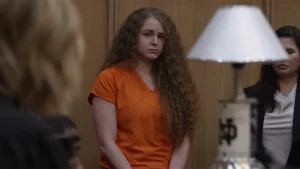
On August 10, 2026, former OnlyFans model Courtney Clenney stood in a Miami courtroom wearing an orange jail uniform. Clenney pleaded guilty to manslaughter in the 2022 stabbing death of her boyfriend, Christian “Toby” Obumseli. The 30-year-old woman once boasted over 2 million Instagram followers. The former model accepted a plea deal that will see her serve approximately two more years behind bars after receiving credit for time already served. This case captivated public attention for more than four years. It finally reached its legal conclusion as the OnlyFans model pleads guilty to manslaughter in fatal stabbing of boyfriend.
The plea agreement brought closure to a case that exposed the dark underbelly of what appeared to be a glamorous lifestyle. Christian Obumseli was just 27 years old when he died. He suffered a fatal stabbing on April 3, 2022, inside the couple’s luxury Miami high-rise apartment at One Paraiso in Edgewater. What followed was a protracted legal battle. It revealed troubling patterns of violence, conflicting narratives of abuse, and a relationship characterized by prosecutors as “extremely tempestuous and combative.”
Chio Obumseli, Christian’s mother, sat in the courtroom surrounded by family members. They wore purple ribbons symbolizing domestic violence awareness. The weight of four years of grief hung heavy in the air. However, the hearing would force everyone present to confront difficult questions. These included questions about domestic violence, self-defense claims, and whether justice can ever truly be served when a young life is cut short.
What Happened Between Courtney Clenney and Christian Obumseli?
The Fatal Night: April 3, 2022
The tragedy unfolded inside apartment at One Paraiso. The building is located at 3100 NE Seventh Ave. in the Edgewater neighborhood of Miami. According to court documents, Courtney Clenney stabbed Christian Obumseli with a kitchen knife. The wound penetrated three inches deep into his chest in his shoulder area in a downward trajectory.
When Miami police arrived at the scene, body camera footage captured Clenney covered in blood. Immediately, she told officers that she had acted in self-defense. Her claim was that Obumseli had been abusive. According to her account, she threw the knife at him from approximately 10 feet away during an argument.
However, the medical examiner’s findings told a different story. In fact, the autopsy revealed something important. The depth and angle of the wound were inconsistent with a thrown knife. As attorney Larry Handfield stated, he represents the Obumseli family. “There’s no way that you would, if you throw a knife, that the knife is going to land so deep in a downward position.”
The Arrest and Initial Charges
Authorities did not immediately arrest Clenney following the stabbing. Instead, she traveled to Hawaii. Authorities finally took her into custody on August 10, 2022. That was more than four months after Obumseli’s death. Prosecutors initially charged her with second-degree murder. That charge carried a potential sentence of up to 30 years in prison.
Clenney spent time in custody at the Turner Guilford Knight Correctional Center in Miami. Throughout that time, she maintained her claim of self-defense. Meanwhile, her legal team worked on her case. Attorney Frank Prieto led the team. They argued that she suffered from battered women’s syndrome. They said she had been forced to take action to protect her own life.
Timeline: How the Case Unfolded from Stabbing to Sentencing
2020: The Relationship Begins
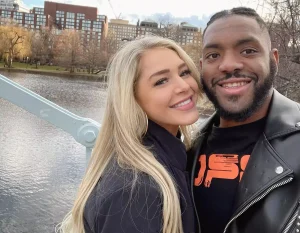
Courtney Clenney and Christian Obumseli began dating in 2020. From the outside, they appeared to be living a dream life. They traveled together and documented their experiences on social media. At the time, Clenney was building a substantial following as a content creator. Working on OnlyFans and Instagram under the name Courtney Tailor, she eventually amassed approximately 2 million followers.
February 2022: Violence Captured on Video
Two months before the fatal stabbing, surveillance footage from their apartment building captured a disturbing incident. In an elevator, Clenney was seen repeatedly attacking Obumseli. Hitting and slapping him while he raised his hands defensively, she continued the assault as the elevator doors opened. Throughout the assault, Obumseli did not retaliate physically.
However, this was not an isolated incident. In fact, Obumseli had been recording arguments between the couple. He created audio evidence that would later prove crucial to understanding their relationship dynamics.
March 2022: Aspen Trip Turns Violent
During a trip to Aspen, Colorado, witnesses observed Clenney slapping Obumseli repeatedly in public. This incident combined with the elevator attack. Together they painted a troubling picture of escalating violence.
April 2, 2022: The Day Before the Killing
According to court records, Clenney told police she wanted to break up with Obumseli. The goal was to remove him from their shared apartment. Significantly, this conversation occurred just one day before his death.
April 3, 2022: The Fatal Stabbing
Christian Obumseli suffered a fatal stabbing inside the couple’s luxury Miami condo. When police arrived, they found Clenney covered in blood. Paramedics rushed Obumseli to the hospital. Despite their efforts, they could not save him. That same day, doctors called his mother, Chio Obumseli, while she was at work. They requested consent for organ donation. As a result, this devastating phone call was how she learned her son had been killed.
August 10, 2022: Arrest in Hawaii
Four months after the killing, authorities arrested Courtney Clenney. They found her at a rehabilitation facility in Hawaii. Prosecutors charged her with second-degree murder. They extradited her back to Florida to face trial.
2023: Civil Lawsuit Filed
The Obumseli family filed a wrongful death lawsuit against Clenney. They also sued the One Paraiso Condominium Association and various property management and security entities. The family sought accountability through the criminal justice system. In addition, they also pursued civil litigation.
2024: Additional Charges Against Clenney’s Parents
Prosecutors filed charges against Clenney’s parents. Kim Clenney and Deborah Clenney were accused of illegally accessing Obumseli’s computer. However, a judge later dropped these charges. The judge ruled that prosecutors had improperly accessed evidence protected by attorney-client privilege.
May 2026: Civil Suit Settled
The wrongful death lawsuit reached settlement in May 2026. Court records do not disclose the financial terms of the settlement. However, the agreement allowed the Obumseli family to move forward. They gained some measure of closure on the civil side of the case.
July 2026: Plea Deal Announced
Clenney’s legal team announced that a plea agreement had been reached. The case was approaching trial. Importantly, the deal required the approval of the Obumseli family. They had been consulted throughout the negotiation process.
August 10, 2026: Guilty Plea and Sentencing
Exactly four years after her arrest, Courtney Clenney appeared in Miami-Dade Circuit Court. Standing before Judge Andrea Ricker Wolfson, she pleaded guilty to manslaughter with a deadly weapon. This was a lesser charge than the second-degree murder she had been facing. Judge Wolfson sentenced Clenney to six years in prison. The sentence also included five years of probation. With credit for the nearly four years she had already served, she is expected to spend approximately two more years behind bars.
As part of her sentence, Clenney must undergo mental health and substance abuse evaluations. Completion of any recommended treatment is mandatory. Additionally, Florida law prohibits her from financially benefiting from the case. This includes book deals, media appearances, or other means.
Who Are the Key Figures in This Case?
Courtney Clenney (The Defendant)
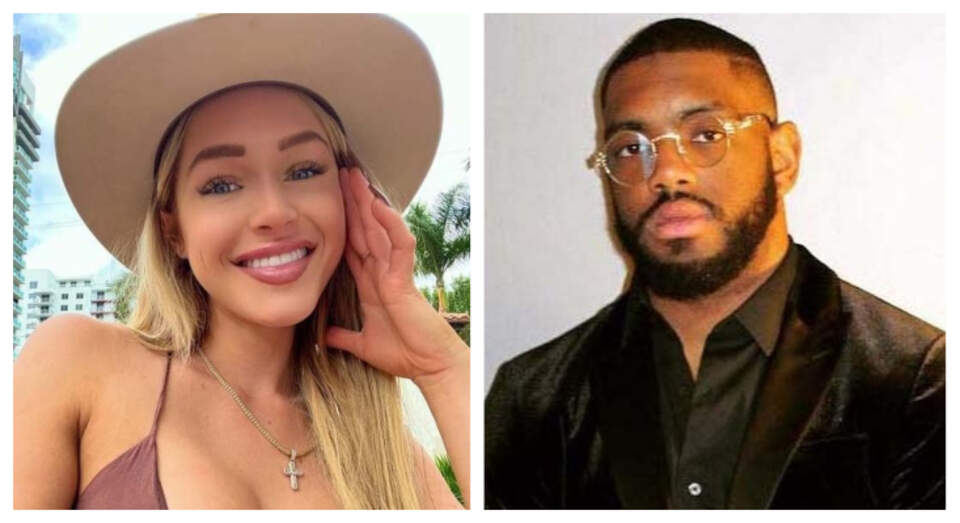
Courtney Clenney was also known professionally as Courtney Tailor. At the time of the killing, this 26-year-old OnlyFans model and social media influencer had built a substantial online following. Born and raised in Austin, Texas, she had approximately 1.7 to 2 million Instagram followers. Her content focused on lifestyle, fitness, and adult-oriented material on the subscription platform OnlyFans.
By all outward appearances, Clenney lived a glamorous life. Her posts documented extensive travels and curated experiences online. However, behind the curated social media posts lay a volatile relationship. It was marked by arguments, substance use, and violence.
After accepting the plea deal, Clenney’s father, Kim Clenney, expressed hope. He said his daughter could eventually rebuild her life. During a press conference following the sentencing, he said something hopeful. “What matters to me now is that for the first time in more than four years there is an end in sight. Courtney has a future ahead of her.”
Christian “Toby” Obumseli (The Victim)
Christian Toby Obumseli was 27 years old. A native of Plano, Texas, he was described by family and friends as kind-hearted, compassionate, and respectful. Working in cryptocurrency, Obumseli had moved to Miami with Clenney as their relationship developed.
His mother, Chio Obumseli, shared a story in a statement read in court. As a child, her son had encouraged her to help a homeless man. This demonstrated the caring nature that defined his character. According to her statement, “He cared about other people.” Obumseli’s brother, Jeffrey Obumseli, told reporters in 2024 something heartbreaking. “Because of this, I won’t be able to grow old with my brother. Still to this day, the family is hurting. We are in deep grief.”
Evidence presented during the legal proceedings revealed something important. Obumseli had been documenting the couple’s arguments through audio recordings. In text messages to Clenney, he once wrote words that would prove tragically prophetic. He questioned whether “love is going to kill me.”
Chio Obumseli (Victim’s Mother)
Chio Obumseli has been a steadfast advocate for her son throughout the legal proceedings. Unable to speak directly in court due to her emotional state, she wrote a powerful victim impact statement. Christian’s cousin, Karen Egbuna, read it aloud.
“Nothing can describe what it feels like for a mother to stand at the grave of her child,” the statement read. “There are also the things that will never happen for me now that he’s gone. The birthdays, the holidays we will not celebrate with him, the conversations we will never have.”
Frank Prieto (Defense Attorney)
Frank Prieto served as lead defense attorney for Courtney Clenney. Throughout the case, he maintained that his client acted in self-defense. According to him, she was herself a victim of domestic violence. After the sentencing, Prieto called the decision to accept the plea deal a “common sense” choice. He argued that Clenney faced significant risk if the case went to trial.
Prieto and co-counsel Sabrina Puglisi indicated they had prepared to present testimony. They planned to call witnesses who allegedly saw Obumseli being physically aggressive toward Clenney. This included a neighbor who reportedly saw him hitting her. It also included a store employee who witnessed bruising on her arms.
Katherine Fernandez Rundle (Miami-Dade State Attorney)
Katherine Fernandez Rundle is the Miami-Dade State Attorney. A statement from her office characterized the case as involving “a pattern of escalating violence.” The violence was by Clenney toward Obumseli. Furthermore, her office worked closely with the Obumseli family. They worked to reach a plea agreement that provided accountability while avoiding the uncertainties of a trial.
“With this plea agreement, Christian Obumseli’s family finally heard what they long sought,” Fernandez Rundle stated. “Courtney Clenney accepting full responsibility for his death.”
Larry Handfield (Obumseli Family Attorney)
Attorney Larry Handfield represented the Obumseli family throughout both the criminal and civil proceedings. He emphasized that the family’s primary goal was accountability rather than revenge. Following the sentencing, Handfield said something important. “What the family wanted was accountability. At least today we received that.”
What Evidence Revealed the Truth About Their Relationship?
The Evidence Against Self-Defense
Perhaps the most damning evidence against Clenney’s self-defense claim came in the form of video recordings. For example, the elevator surveillance footage from February 2022 showed Clenney as the clear aggressor. Repeatedly striking Obumseli while he attempted to shield himself without fighting back, her actions contradicted her later claims.
Similarly, footage from their Aspen trip depicted Clenney slapping Obumseli multiple times in public. As a result, these videos contradicted the narrative. They showed Obumseli was not the primary aggressor in their relationship.
Audio Recordings
Christian Obumseli had recorded numerous arguments between himself and Clenney. These audio files captured Clenney screaming, berating, and verbally abusing Obumseli. They included repeated use of racial slurs.
In one particularly disturbing recording, Clenney became enraged. Obumseli had greeted a female acquaintance while on a bicycle ride without telling her. During this argument, she called him racial slurs multiple times. Demanding compliance, she yelled: “Shut up and let me slap you, dumb ass!”
Therefore, these recordings painted a picture of a relationship. Clenney exercised control through verbal abuse and intimidation.
Medical Examiner’s Findings
The medical examiner’s report proved crucial. It undermined Clenney’s claim that she threw the knife from 10 feet away. In fact, the three-inch deep wound with a downward trajectory was inconsistent with a thrown knife. Instead, the evidence suggested close contact and significant force. This indicated that Clenney had stabbed Obumseli directly rather than throwing the weapon.
Ultimately, the medical examiner ruled Obumseli’s death a homicide. This provided the foundation for criminal charges.
Digital Evidence and Social Media
Investigators collected extensive digital evidence. This included text messages, social media posts, and online communications between the couple. Their public Instagram presence showed a picture-perfect relationship. However, private communications revealed constant conflict and turmoil.
For instance, text messages showed Obumseli expressing fear about the relationship. This included his haunting question about whether love would ultimately kill him.
What Is the Current Status of Courtney Clenney?
As of August 2026, Courtney Clenney remains in custody. Currently housed at the Turner Guilford Knight Correctional Center in Miami, officials expect to transfer her to a Florida state prison facility. This should happen within the coming weeks. The remainder of her sentence will be served there.
With credit for the approximately four years already served since her August 2022 arrest, Clenney will likely be released in 2028. After that, she will begin her five-year probation period. During probation, she must comply with several conditions. These include mental health treatment, substance abuse counseling, and restrictions on her activities.
Under Florida’s “Son of Sam” law, Clenney is prohibited from profiting financially from her crime. This applies to media deals, book contracts, or similar arrangements. As a result, any money she might earn from such ventures would be subject to seizure. It could potentially be awarded to the victim’s family.
Her social media accounts once boasted millions of followers. They have been largely inactive since her arrest. In addition, the OnlyFans account that had been her primary source of income is no longer active.
The Psychology Behind Volatile Relationships: What Warning Signs Emerged?
Patterns of Control and Escalating Violence
From a psychological perspective, the relationship between Courtney Clenney and Christian Obumseli exhibited classic patterns. It showed an abusive dynamic, though not in the direction initially claimed. Clenney and her defense team argued she was the victim. However, the evidence suggested a different reality.
Clenney displayed controlling behaviors. These are characteristic of intimate partner violence perpetrators. For example, her explosive reaction to Obumseli simply greeting an acquaintance demonstrated possessive jealousy taken to an extreme. This type of isolation tactic serves a purpose. A partner becomes enraged over normal social interactions. This serves to cut the victim off from potential support systems.
Furthermore, the recorded arguments revealed verbal abuse patterns. These were designed to demean and diminish Obumseli. Repeated use of racial slurs combined with commands to “shut up” showed something clear. Demands that he allow her to hit him demonstrated an attempt to establish dominance and control.
The Cycle of Violence
Domestic violence experts recognize a cycle. It typically includes tension building, an acute incident of abuse, reconciliation, and a calm period before the cycle repeats. The evidence suggests this couple experienced this pattern repeatedly throughout their relationship.
The multiple documented incidents of violence show an escalating pattern. These ranged from the elevator attack to the Aspen slapping to the final fatal stabbing. In fact, each incident appeared more severe than the last. This is a progression that often occurs when violent behavior goes unchecked and unaddressed.
Between these explosive incidents, the couple likely experienced periods of calm or even closeness. This may explain why Obumseli remained in the relationship despite the danger. However, his text message questioning whether love would kill him suggests something important. He recognized the risk but felt conflicted about leaving.
Why Didn’t He Leave? Understanding Victim Psychology
One of the most common questions in domestic violence cases is why the victim doesn’t simply leave. However, psychological research reveals numerous factors. These keep people trapped in dangerous relationships.
Obumseli’s reluctance to call police was noted by his family attorney. It stemmed from his love for Clenney. This emotional attachment is sometimes called “trauma bonding.” It can develop when intermittent reinforcement occurs. Periods of kindness following abuse create a powerful psychological pull.
Additionally, male victims of domestic violence face unique barriers. Social stigma and gender stereotypes about men being the stronger sex exist. Because of these, shame can prevent victims from seeking help. Obumseli may have felt embarrassed to admit that his girlfriend was physically violent toward him. Fear of not being believed or being ridiculed may have kept him silent.
Furthermore, several factors contribute to victims staying in dangerous relationships. Financial entanglement, shared living situations, and hope that the partner will change all play a role. By the time Obumseli and Clenney were living together in Miami, separating would have required significant effort. Both logistical and emotional effort would have been needed.
Substance Abuse and Mental Health Factors
Court documents indicate that Clenney was at a rehabilitation facility in Hawaii when arrested. This suggests substance abuse issues were part of the picture. As part of her sentence, she must undergo substance abuse evaluation and treatment.
Substance abuse often co-occurs with domestic violence. However, it does not cause it. Rather, drugs and alcohol can lower inhibitions and impair judgment. This makes violent episodes more likely or more severe. In addition, they can also be used as excuses for behavior. That behavior stems from deeper psychological issues.
Clenney’s required mental health evaluation and treatment suggest something. The court recognized potential psychological factors contributing to her violent behavior. For example, personality disorders may play a role in intimate partner violence perpetration. Particularly those involving emotional dysregulation, poor impulse control, and unstable relationships.
The Social Media Facade
An interesting psychological element of this case involves the stark contrast. Clenney’s public persona differed greatly from her private behavior. On social media, she presented a glamorous lifestyle. It was filled with travel, beauty, and romance. However, behind closed doors, the relationship was marked by rage, violence, and fear.
This disconnect speaks to the performative nature of social media. It shows the way platforms like Instagram create incentives. Users present only carefully curated aspects of their lives. Clenney had built her career and identity around being an aspirational figure. Because of this, it became psychologically difficult to acknowledge or address the dysfunction in her personal life.
Moreover, the pressure to maintain this facade may have contributed to stress and conflict. This was particularly true if Obumseli threatened the carefully constructed image Clenney had created. This could have been intentional or not.
Warning Signs That Were Missed or Ignored
Looking back, numerous red flags should have triggered intervention:
- Public displays of violence: Multiple people witnessed Clenney being physically aggressive toward Obumseli in public settings. This included neighbors and strangers in Aspen.
- Verbal abuse and racial slurs: The audio recordings captured extreme verbal abuse. These should have alarmed anyone who heard them.
- Expressed fear from the victim: Obumseli’s text messages indicated he recognized the danger he was in.
- Escalating severity: Each incident appeared more serious than the previous one. This is a classic warning sign in domestic violence cases.
- Isolation and control: Clenney’s extreme reactions to normal social interactions indicated controlling behavior.
If any of these warning signs had been reported to authorities or taken seriously by those around the couple, something tragic might have been prevented. Christian Obumseli might still be alive today.
Stay Connected with Crime and Psyche for Deep Psychological Analysis
If you found this psychological analysis compelling, consider subscribing. Stay updated on cases that explore the intersection of criminal behavior and human psychology. We provide in-depth examinations of true crime cases through a psychological lens. Because of this, we help readers understand not just what happened, but why.
For video content and additional analysis on this case and others like it, visit the Crime and Psyche YouTube channel. We break down the psychological factors behind criminal behavior there. Furthermore, our community of thoughtful true crime enthusiasts values factual accuracy, respect for victims, and meaningful insights into human behavior.
Subscribe to receive notifications when we publish new articles. We examine the psychological dimensions of criminal cases. As a result, understanding these patterns can help us all recognize warning signs. This could potentially prevent future tragedies.
Sources and Further Reading
This article was compiled using information from the following credible sources:
- CBS Miami: Former OnlyFans model Courtney Clenney sentenced
- NBC 6 South Florida: Miami OnlyFans model headed to prison after accepting plea deal
- Miami Herald: OnlyFans model pleads guilty to killing boyfriend in Miami
- Local 10 News: Courtney Clenney pleads guilty to manslaughter
- People Magazine: OnlyFans Model Courtney Clenney Will Serve Just 2 More Years Behind Bars
- FOX 10 TV: Former OnlyFans model Courtney Clenney takes plea deal in stabbing death of boyfriend
In addition, court records and official statements from the Miami-Dade State Attorney’s Office were also referenced for accuracy.
Was Justice Truly Served?
As guards fingerprinted Courtney Clenney and led her out of the courtroom on August 10, 2026, a profound question lingered in the air. Was justice truly served?
Christian Obumseli is gone forever. As a result, his mother will never again celebrate his birthday or hear his voice. His brother lost the opportunity to grow old alongside him. Furthermore, the family’s grief continues. As Chio Obumseli wrote, it “continues much longer after today’s court case ends.”
For taking a human life, Clenney will serve approximately two more years in prison. By 2028, she will walk free. Able to rebuild her life, she can pursue new relationships and eventually put this chapter behind her. In contrast, Christian Obumseli gets no such second chance.
The plea deal avoided the uncertainty of trial. At trial, Clenney faced up to 30 years if convicted of second-degree murder. From a pragmatic legal perspective, the Obumseli family made a choice. They chose to accept accountability and closure rather than risk an acquittal or years of additional appeals. They made this difficult choice. Because of that, it deserves respect.
Yet the disparity remains stark and unsettling. Six years for a life. The case involved complexities of domestic violence, competing narratives, and challenges of proving intent beyond reasonable doubt. Even accounting for these factors, the sentence feels inadequate. It is measured against the permanence of death.
Perhaps the real question is whether our justice system can ever truly balance such scales. No prison sentence, however long, returns a son to his mother. It does not erase the trauma inflicted on those left behind. The Obumseli family will serve their own life sentence of grief and loss.
However, this case does illuminate something urgent. We need to take domestic violence seriously regardless of the gender of the victim or perpetrator. Christian Obumseli exhibited classic signs of being trapped in an abusive relationship. He documented the abuse and expressed fear. Yet he still loved someone who was hurting him. Therefore, society must do better. We must recognize these patterns and provide pathways out before violence escalates to murder.
Chio Obumseli wrote something important in her statement. The desire is for her son to be remembered not for how he died, but for who he was. Kind-hearted, compassionate, a person who cared about others,these qualities defined him. Ultimately, that memory may be the most meaningful justice Christian Obumseli can receive now. The lessons we can learn from this tragedy matter too.
Courtney Clenney pleaded guilty. In a legal sense, she accepted responsibility. However, whether that constitutes true justice remains a question. Each person must answer for themselves. Meanwhile, Christian Obumseli’s family continues carrying the unbearable weight of their permanent loss.
Further Reading
If this case sparked your curiosity, these books explore similar themes in depth.

by Gavin de Becker
How to recognise the warning signs of violence before it happens.

by Michelle McNamara
A masterwork of true crime investigation and obsession.
Disclosure: This post contains affiliate links. If you purchase a product through one of these links, Crime and Psyche may earn a small commission at no extra cost to you. Thank you for supporting the channel.