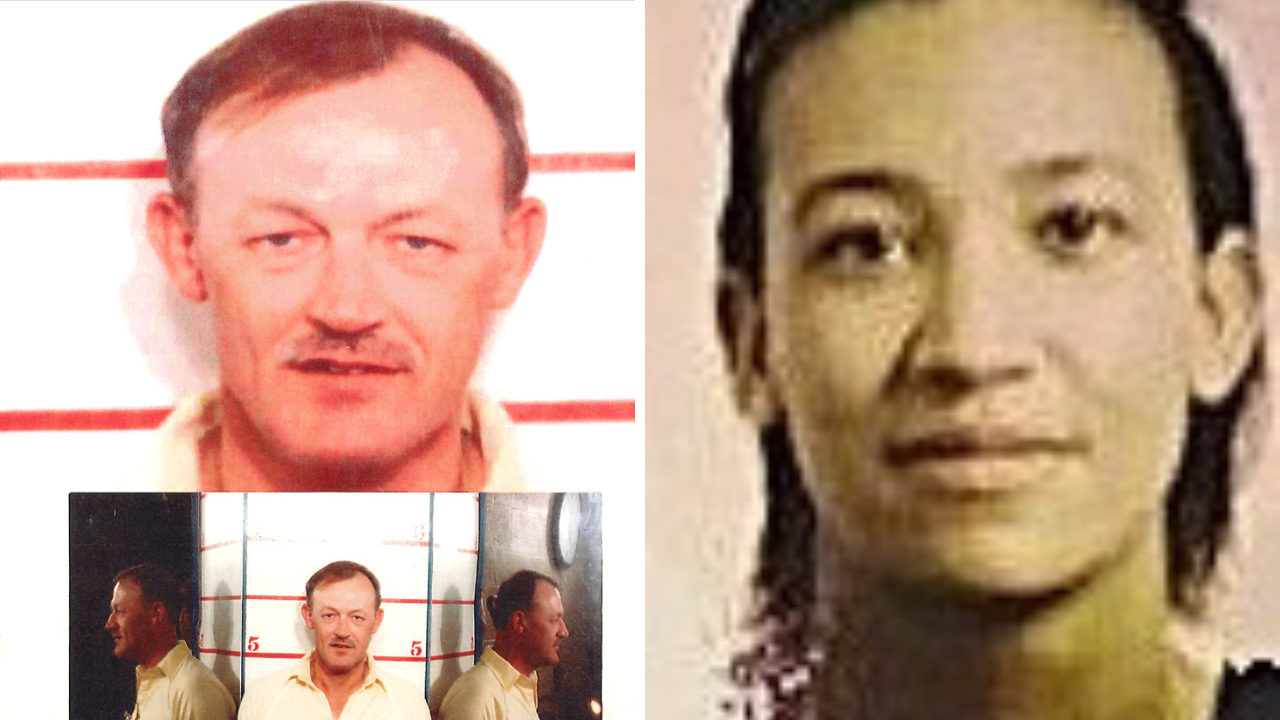

The murder of 25-year-old mother in northern Indiana solved after nearly 30 years has brought long-awaited answers to a grieving family. Angela Saco, a 25-year-old mother from Van Wert, Ohio, who was living in Fort Wayne, Indiana, was found stabbed to death on December 21, 1997, on Huntington County Reservoir property. Thanks to advanced DNA technology and the formation of Indiana State Police’s Cold Case Unit in 2024, investigators have identified her killer as Stephen L. Shlater, a 50-year-old man who died in 2021.
Angela left behind a 2-year-old son when her life was brutally taken nearly three decades ago. For 28 years, her family waited for justice while detectives pursued leads and interviewed nearly 100 people. The case went cold when investigators couldn’t develop enough probable cause to charge anyone—until forensic genetic genealogy finally cracked the case in 2026.
The breakthrough came through collaboration with Identifinders International, a California-based forensic genealogy company founded by Colleen Fitzpatrick. Their work transformed preserved evidence into answers, demonstrating how modern science can solve even the coldest of cases.
What Happened to Angela Saco?
On the morning of December 21, 1997, Angela Saco was last seen at her workplace in Fort Wayne, Indiana, during the early morning hours. She was a young mother working to support herself and her toddler son. Later that same day, her body was discovered on Huntington County Reservoir property off County Road 100 East, north of County Road 100 South.
The Huntington County Coroner’s Office, Huntington County Sheriff’s Department, Indiana Conservation Officers, and Indiana State Police all responded to the scene. An autopsy confirmed that Angela died from multiple stab wounds. The brutality of her death shocked the community and launched an extensive murder investigation.
Despite interviewing nearly 100 people during the initial investigation, detectives couldn’t gather enough evidence to charge anyone with Angela’s murder. The case grew cold as years turned into decades.
How Was the Cold Case Finally Solved?
Timeline of Investigation and Breakthrough
December 21, 1997
- Angela Saco last seen at her Fort Wayne workplace in early morning hours
- Her body discovered later that day on Huntington County Reservoir property
- Cause of death determined to be stab wounds
- Murder investigation launched immediately
1997-2024
- Nearly 100 witnesses interviewed during initial investigation
- No arrests made due to insufficient probable cause
- Indiana State Police continued working the case over 29 years
- Evidence carefully preserved from original crime scene
2024
- Indiana State Police formed dedicated Cold Case Unit
- Renewed focus placed on Angela Saco’s murder
- Evidentiary items from 1997 crime scene submitted for advanced DNA testing
February 2026
- Forensic genetic genealogists identified Stephen L. Shlater as suspect
- DNA profile developed using Single Nucleotide Polymorphism (SNP) testing
- STR testing confirmed Shlater as contributor of DNA at crime scene
May 2026
- Indiana State Police announced case solved
- Huntington County Prosecutor Jeremy Nix confirmed Shlater would have been charged with murder if alive
Who Was Stephen L. Shlater?
Stephen L. Shlater was 50 years old when Angela Saco was murdered in 1997. Investigators discovered troubling details about his criminal history and timeline. He had been released from federal prison just five months before Angela’s murder in the spring of 1997.
Shlater’s last known residence was in Markle, Indiana, located in Huntington County. He died in 2021 in Huntington County, four years before DNA technology would finally link him to Angela’s murder. According to Huntington County Prosecutor Jeremy Nix, if Shlater were alive today, he would face murder charges.
The proximity of his release from federal prison to Angela’s murder—just five months—raises significant questions about monitoring of recently released offenders and potential warning signs that may have been missed.
What Made This DNA Breakthrough Possible?
The advancement in DNA technology proved critical to solving this nearly 30-year-old case. Indiana State Police partnered with Identifinders International, a forensic genealogy company based in California and founded by Colleen Fitzpatrick.
The forensic team used Single Nucleotide Polymorphism (SNP) DNA testing to develop a profile from evidence collected and carefully preserved at the 1997 crime scene. This advanced testing method can extract DNA information from degraded or limited biological samples that older techniques couldn’t analyze.
Forensic genetic genealogists then used this DNA profile to identify Stephen Shlater as a candidate suspect. Additional STR (Short Tandem Repeat) testing confirmed he was the contributor of DNA found at the crime scene where Angela was murdered.
Colleen Fitzpatrick stated, “Identifinders International is proud to have supported the Indiana State Police to bring long overdue answers to Angela’s family. This case is another example of a case that would have not been solved without the use of forensic genetic genealogy.”
Who Was Angela Saco?
Angela Saco was a 25-year-old mother originally from Van Wert, Ohio, who was living in Fort Wayne, Indiana, at the time of her death. She was working to support herself and her 2-year-old son, demonstrating the dedication and resilience of a young single mother.
Angela’s life was cut short on December 21, 1997, just days before Christmas. Her son was left without a mother, and her family was left with nearly three decades of unanswered questions. The Van Wert community remembered her as one of their own, and the case resonated deeply in both Van Wert and Fort Wayne.
What Is the Current Status of the Case?
As of May 2026, Indiana State Police have officially solved Angela Saco’s murder through DNA evidence identifying Stephen L. Shlater as her killer. However, because Shlater died in 2021, no criminal prosecution is possible.
Huntington County Prosecutor Jeremy Nix confirmed that if Shlater were alive, he would face murder charges based on the DNA evidence. While this prevents a traditional courtroom resolution, the identification provides Angela’s family with answers they’ve sought for 28 years.
The case demonstrates the critical importance of evidence preservation and the potential of cold case units combined with modern forensic technology. The professionalism of initial responding officers in 1997 who carefully collected and preserved evidence made this breakthrough possible decades later.
Stay Connected for More True Crime Analysis
Cold cases like Angela Saco’s remind us that justice can prevail even after decades of waiting. If you’re interested in deeper psychological analysis of cases like this, subscribe to the Crime and Psyche YouTube channel, where we explore the intersection of criminal behavior and psychological insight. Understanding the patterns behind these crimes helps us recognize warning signs and honor victims by learning from their stories.
Sources
- Indiana State Police Official Press Release
- Hometown Stations Coverage
- Yahoo News Report
- Identifinders International Forensic Genealogy
The Psychology Behind Cold Case Murders
What Psychological Patterns Emerge in Cases Like This?
The murder of Angela Saco reveals several concerning psychological and behavioral patterns worth examining. Stephen Shlater’s recent release from federal prison just five months before committing this violent crime suggests potential issues with reintegration, impulse control, and escalating antisocial behavior.
Research on recidivism shows that individuals who reoffend shortly after release often exhibit poor institutional adjustment, lack of support systems, and underlying personality disorders that weren’t adequately addressed during incarceration. The fact that Shlater escalated from his previous federal offense to murder within months indicates a dangerous trajectory.
Understanding Predatory Behavior
The circumstances of Angela’s murder—being attacked after leaving work in early morning hours—suggests predatory planning rather than a crime of passion. Predatory offenders often select vulnerable targets during times and locations that provide opportunity while minimizing witnesses.
Young women working early or late shifts are statistically more vulnerable to violent crime, and offenders with antisocial personality traits actively seek these opportunities. The premeditated nature of such attacks reflects a concerning lack of empathy and moral restraint characteristic of dangerous offenders.
The Impact of Unsolved Cases on Families
For nearly 30 years, Angela’s family lived with the trauma of her violent death compounded by the absence of answers. Psychological research on families of homicide victims shows that unresolved cases create a specific type of prolonged grief called “ambiguous loss”—even when death is certain, the lack of accountability prevents closure.
Angela’s son, who was only 2 years old when she was murdered, grew up without his mother and without knowing who took her from him. He is now in his early 30s, finally receiving answers that may help him process this foundational trauma.
Warning Signs and Prevention
This case underscores the importance of monitoring recently released offenders, particularly those with violent histories. The five-month window between Shlater’s release and Angela’s murder represents a missed opportunity for intervention.
Communities and law enforcement must recognize that the period immediately following release from prison is high-risk for reoffending. Enhanced supervision, mental health support, and reintegration programs during this window could potentially prevent future tragedies.
The Role of Forensic Science in Justice
From a psychological perspective, the resolution of cold cases through DNA technology provides not just legal answers but psychological healing. Knowing that the perpetrator has been identified—even posthumously—validates the victim’s worth and the family’s suffering.
The dedication of the Indiana State Police Cold Case Unit reflects an understanding that justice delayed is still justice worth pursuing. This institutional commitment sends a powerful message: no victim will be forgotten, and advances in science will eventually catch up with those who thought they escaped accountability.
Conclusion
The murder of 25-year-old mother Angela Saco in northern Indiana, solved after nearly 30 years, represents both tragedy and triumph. While Angela can never return to her son and family, the identification of Stephen L. Shlater as her killer through advanced DNA forensic genealogy provides the answers they’ve desperately needed since December 1997.
This case demonstrates that preserved evidence, dedicated investigators, and advancing technology can solve even the coldest cases. The professionalism of responding officers who carefully collected evidence 28 years ago made this breakthrough possible in 2026. Angela’s memory is honored not just through solving her case, but through the message it sends: every victim matters, and time doesn’t diminish the commitment to finding truth.
As forensic genetic genealogy continues advancing, more families waiting for decades may finally receive answers. Angela Saco’s case joins a growing list of cold cases solved through this technology, offering hope to countless families still waiting for justice. Her story reminds us that behind every cold case file is a real person—a young mother, a daughter, a member of a community—whose life mattered then and continues to matter now.